01
What to Wear to Weekend Brunch Without Looking Overdressed
How to build a brunch look around one favorite piece, proportion, layering and enough ease to continue through the rest of the day.
Leer artículo

Beachwear and resort wear are not the same. This guide explains how function, context and versatility change between the two categories.
Beachwear and resort wear share climate and landscape, but they answer different moments. The difference matters because it changes how much real use a garment can have. Beachwear usually stays close to the water; resort wear needs to continue through hotel, lunch, transit, interiors, walking and evening.
Understanding that distinction helps you buy fewer pieces that are only “vacation clothes” and more garments that move between contexts.
The useful question is not whether a garment looks summery. It is where that piece will be worn, what happens when its wearer leaves the beach and what the next setting requires. A tunic, dress and kimono might appear within the same campaign while serving very different purposes. Understanding those distinctions helps build a wardrobe with more continuity between activities and fewer purchases made for a single imagined holiday photograph.
Its main function is to support the beach or pool moment. That can include pieces that are easy to put on and remove, very light layers and silhouettes that live directly around water.
Resort wear expands the range. A tunic should keep working after you leave the sand. A dress should carry enough presence for lunch. A kimono can move a simple base into afternoon or evening.
Being close to the sea raises a question of intended use rather than giving every garment permission to get wet. Beachwear generally relates to situations around water, while resort wear may include meals, moving through a hotel and evenings out. Yet a category name says nothing definite about how a textile tolerates salt, sand or moisture. Individual care information takes precedence. When you need a layer over swimwear, separate that purpose from clothing intended for sitting at a restaurant table. A thoughtful choice protects the garment against being used in a way that its appearance seems to suggest but its construction may not support.
La Costa is built around that transition. It is not limited to the shore but to what happens before and after the water.
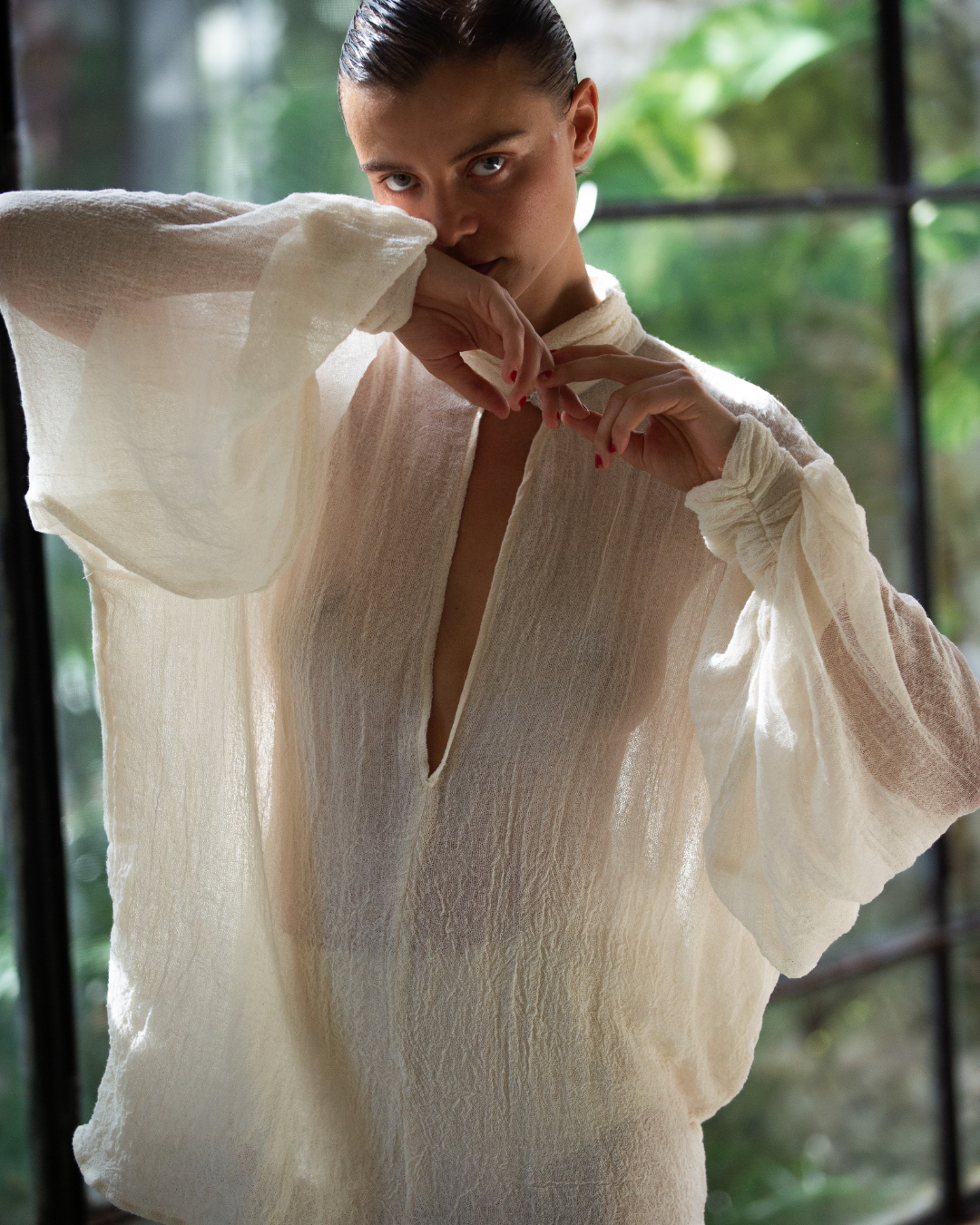
Túnica Joaquina can feel close to the beach while still moving into other moments.
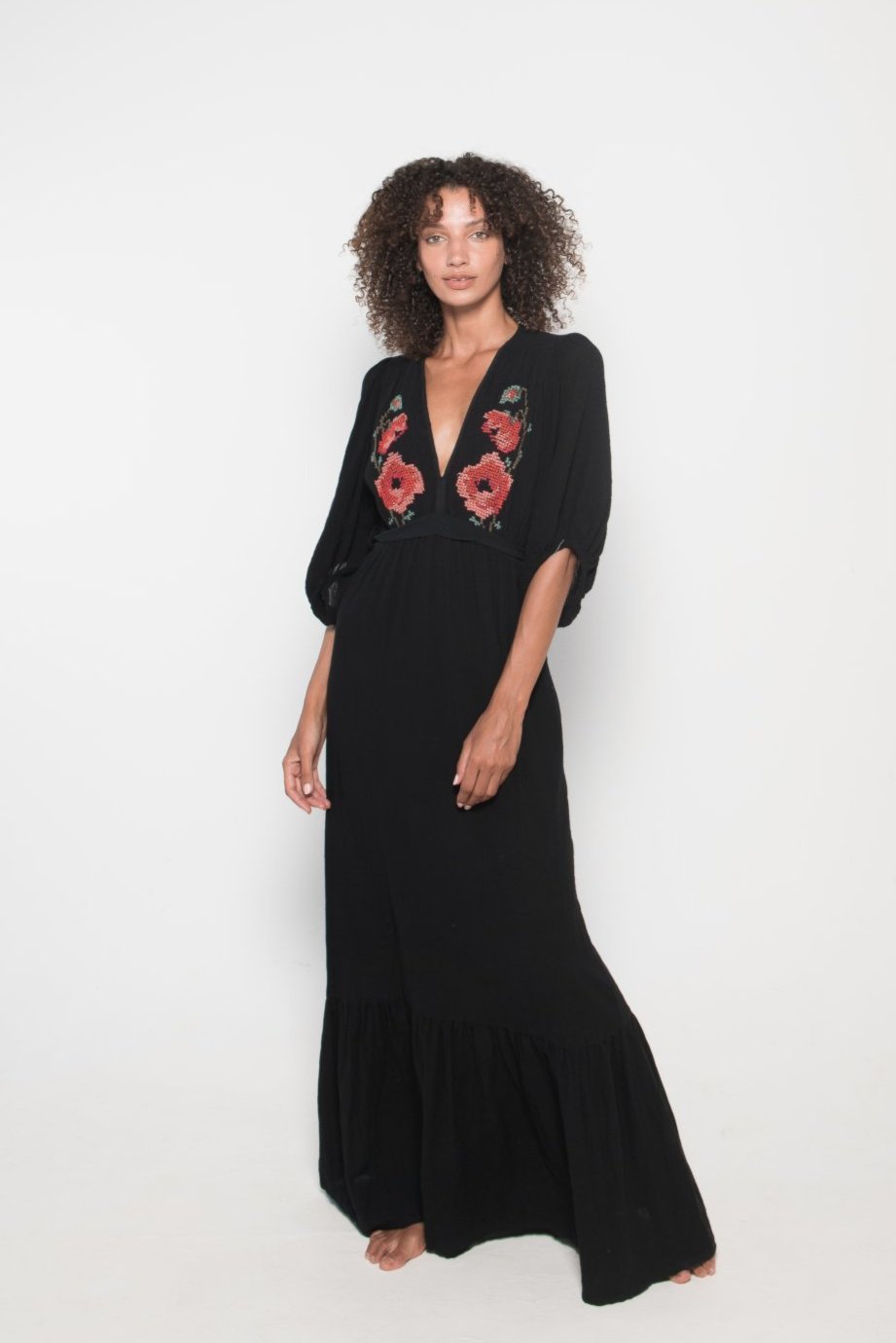
A dress can resolve an evening outing as one complete silhouette, while a tunic may be more useful as part of an ensemble with another garment beneath. The important details are real proportions: where the hem falls, how the fabric moves and what happens when the wearer sits. The active Nudo Elau dress and Joaquina tunic illustrate distinct constructions to compare rather than interchangeable solutions. A garment that works beyond the shore may offer greater usefulness, but that still does not mean every restaurant will accept it under its particular dress code.
Vestido Nudo Elau can enter warm weather without depending on a water context.
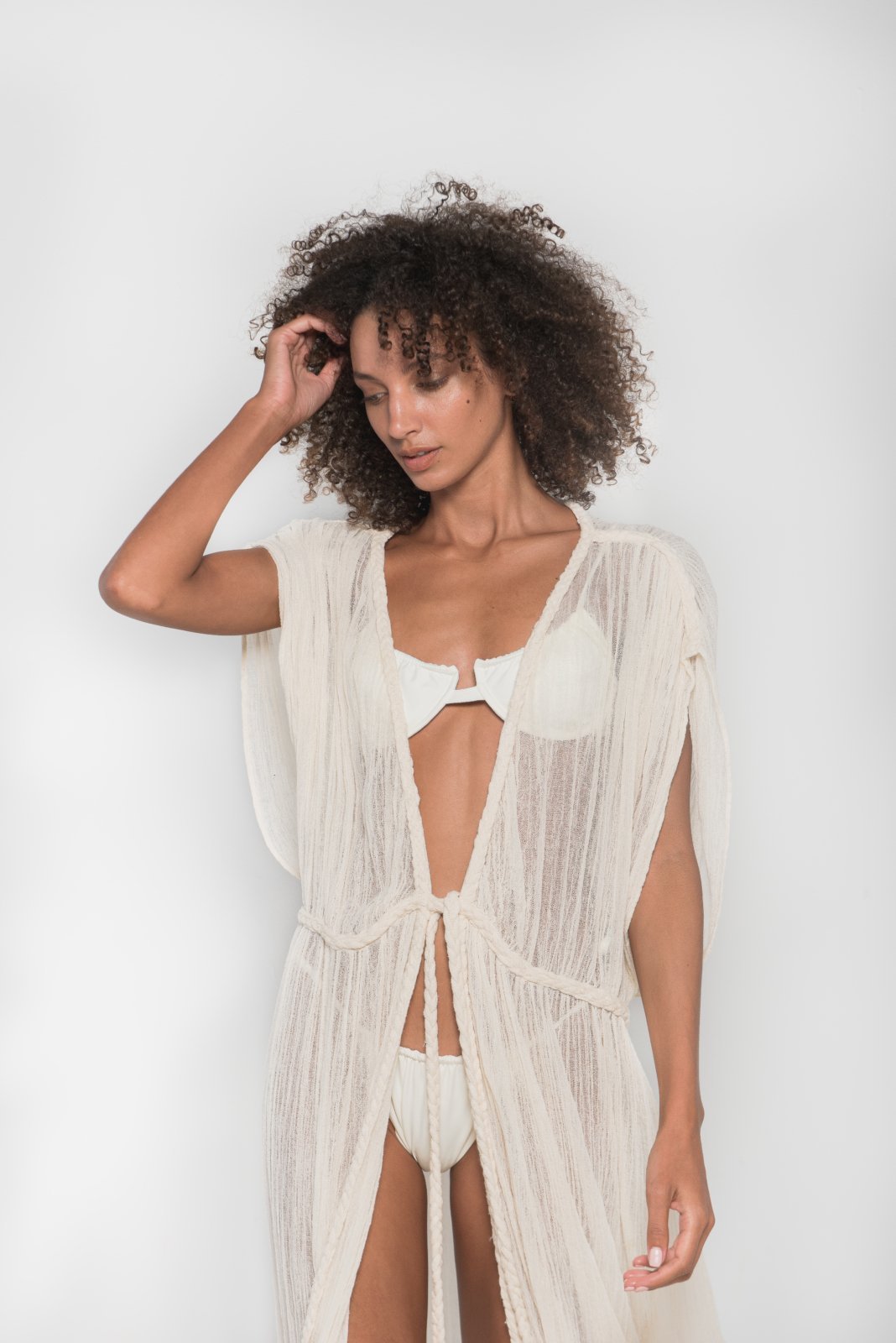
Kimono Copal Latidos can function as a cover-up and as a styling layer.
A kimono can appear particularly versatile because it opens and can be removed, yet the freedom of a layer depends on volume, length and material. The Copal Latidos kimono offers a reference for considering an open silhouette over a quieter base. If the garment underneath already carries substantial movement, another generous piece may become difficult while walking or sitting. For a more precise reading without coastal clichés, see La Costa: dressing after the water. The beach can be the beginning of a garment's story without becoming the limit of all its possible combinations.
If a beachwear piece only works near water, its use will naturally be narrower than a resort garment that continues through the rest of the day.
Read La Costa: Dressing After the Water and What Is Artisanal Resort Wear?.
The beach is one moment. Resort is a sequence of moments.
Before choosing, reconstruct an ordinary day: arriving at the shore, walking, eating, entering an air-conditioned interior and perhaps going out to dinner. One garment does not have to solve every moment, but it is worth recognizing how many it can genuinely accompany without misusing its construction. Check measurements, care and the venue's expectations. In a compact suitcase, a piece with several plausible combinations may justify its place more clearly than something reserved for one imagined scene. Commercial selections support browsing; the editorial decision begins with understanding when those garments actually make sense for the person wearing them.
Túnica Joaquina · Vestido Nudo Elau · Kimono Copal Latidos
Resort Casual · How to Wear a Kimono at the Beach
No.
Yes.
La Costa and Resort-Wear.
A.03 / JOURNAL / SELECTION
Pieces that continue this story.
New editions, pieces, places, craft and ways of living.