


 01
Dressing the City Through a Mexican Point of View
A reflection on how La Troupe carries fluid silhouettes, craft and a sensibility born in Mexico into a contemporary urban wardrobe.
Leer artículo

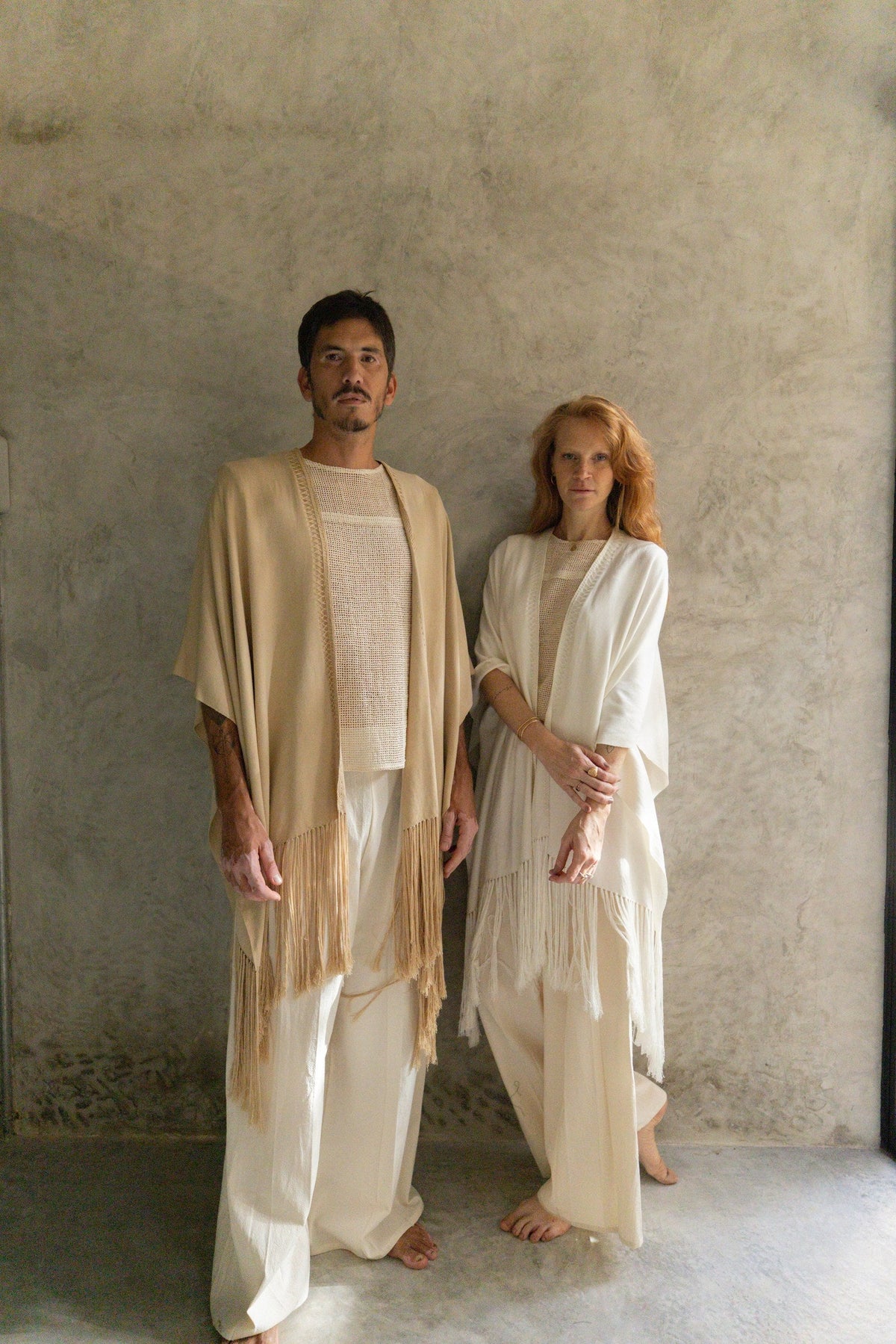
The quality of an artisanal textile cannot be identified through one signal alone. It becomes clearer through material, density, finishing, natural variation and the information that accompanies the piece.
Composition helps explain touch, weight, drape and care. The word “artisanal” should never replace that information.
Observe the surface, how it responds to movement and whether the density feels appropriate for the intended use.
Stitches, hems and joins should feel integrated into the construction rather than added as an afterthought.
Some manual processes naturally create small differences. A brand should be able to explain which variations belong to the technique.
A valuable artisanal piece should be able to explain how it was made with more specificity than a generic claim.
La Troupe’s Ruana Cadena, for example, documents 100% cotton, backstrap loom construction, hand-finished stitching and production in Mexico by Mayan communities.
Craft is strongest when it affects texture, drape, structure or identity instead of acting only as decoration.
Explore more through Savoir-Faire.
Ruana Cadena · Camisa Orgánica Jaguar · Ruana Tulum
What Is a Backstrap Loom? · Made by Hand in Mexico
Not necessarily. Some manual techniques naturally create small variations.
Look for specific information about material, technique, origin and process.
No. Variation should be consistent with the documented process; damage or poor finishing are different.

What to Wear to Dinner in Warm Weather: 5 Styling Principles
Five principles for warm-weather dinner dressing: material, proportion, layering, movement and one piece with presence.
Read more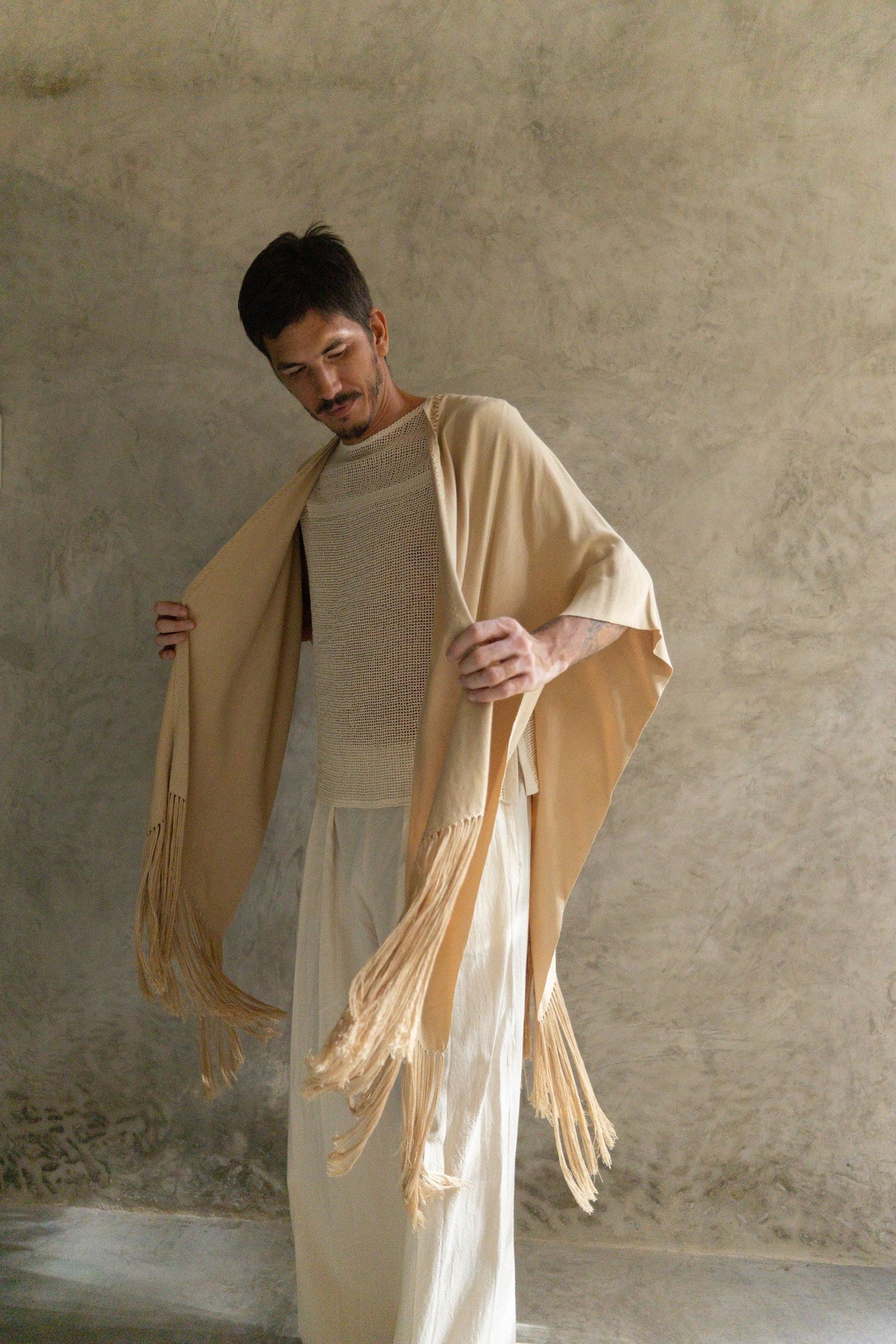
What Is a Backstrap Loom and How Does It Change a Garment?
An introduction to backstrap loom weaving through a real La Troupe piece and how the technique affects texture, drape, variation and the body.
Read more