01
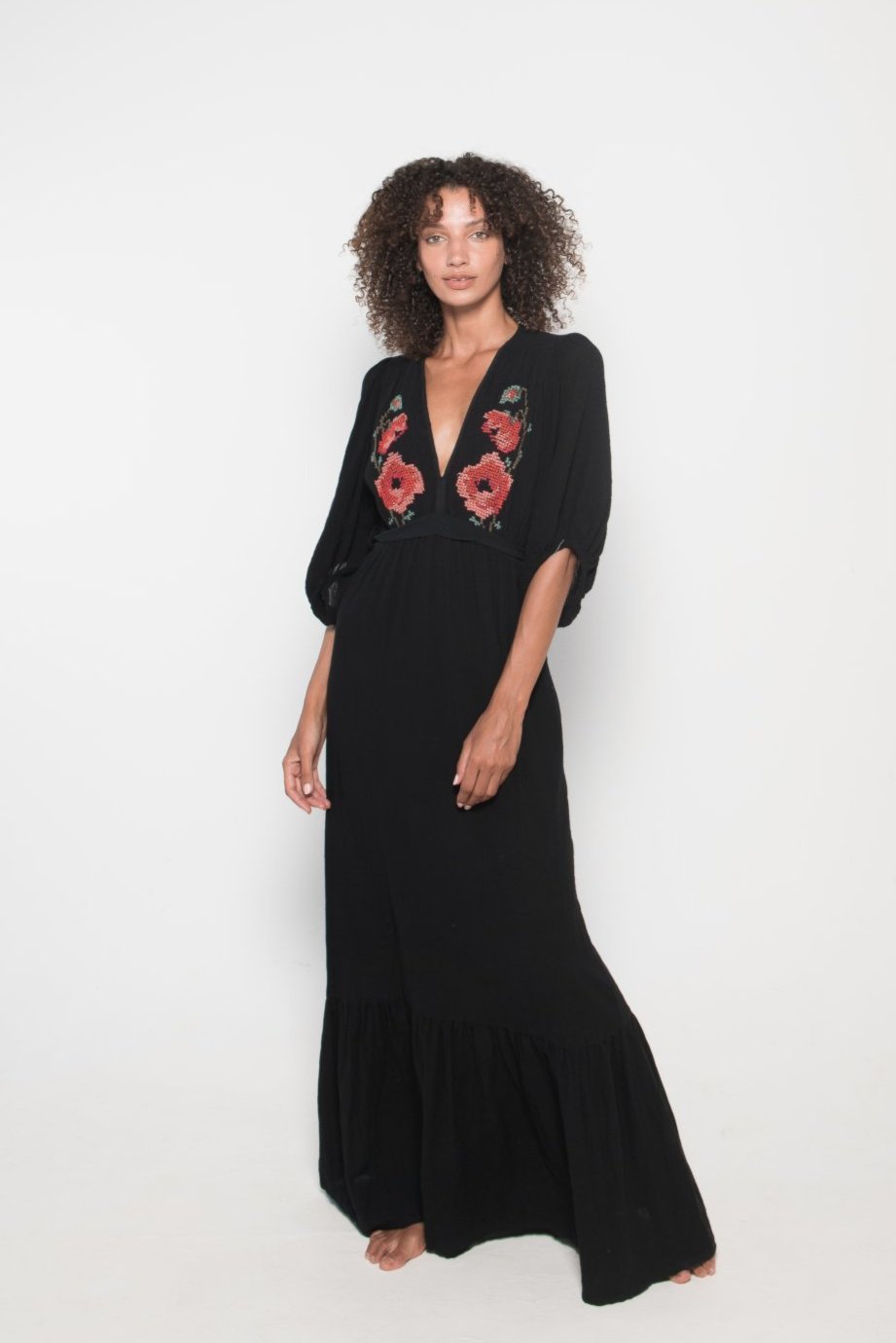
What to Wear to Weekend Brunch Without Looking Overdressed
How to build a brunch look around one favorite piece, proportion, layering and enough ease to continue through the rest of the day.
Leer artículo

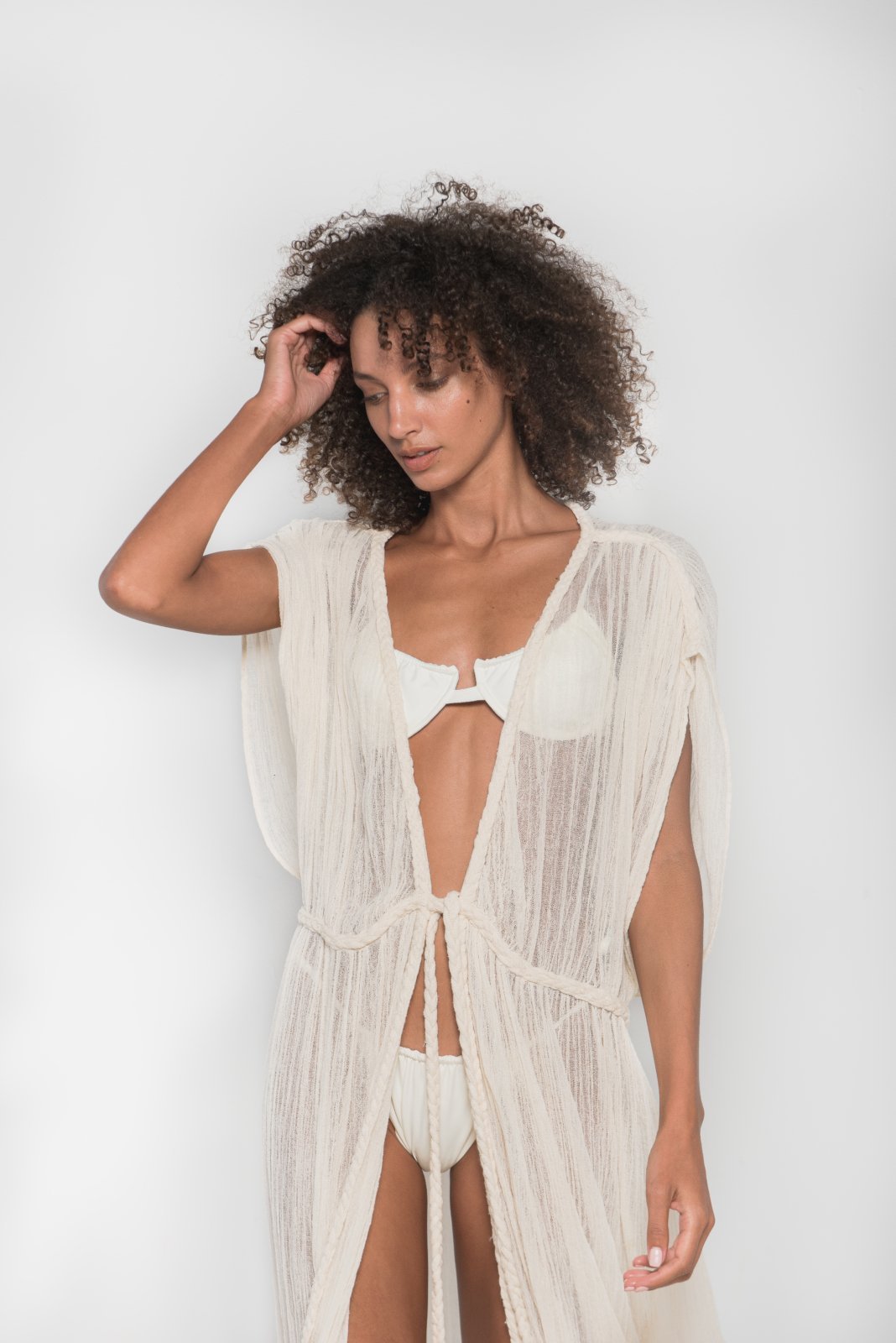
How to care for rayon and viscose with less friction, heat and spinning so their fluid drape is preserved.
Rayon—and viscose within that regenerated-fiber family—is often chosen for drape, but that same fluidity makes friction, spinning and heat important. The specific garment always comes first: a silk-rayon blend may behave differently from a simpler rayon construction.
GINETEX places viscose among materials that often need mild or very mild treatment with reduced mechanical action.
Fluid drape may be central to the design of rayon or viscose clothing, but the fiber name cannot establish identical treatment for every garment. Blends, finishes and cut affect how the textile responds to water, friction and heat. Before washing, drying or correcting creases, consult the care instructions for the finished item. The objective is preserving movement and shape without imposing general procedures that might change a delicate surface. Understanding the construction is more useful than assuming softness guarantees easy maintenance.
The combination of water and mechanical movement can temporarily change the structure of a rayon or viscose textile. Reducing friction helps preserve surface and drape. On Pantalón Lluvia, fluidity is part of the design, so care means protecting movement rather than only avoiding stains. When home washing is permitted, a moderate temperature is a more conservative choice. “Hotter” does not automatically mean “cleaner.”
Rayon and viscose appear in garments with different constructions, sometimes including blends and applied details that influence care. A light appearance should not be interpreted as proof of machine-wash tolerance. Fabric with considerable movement may need additional attention when wet. Product information and care labels must establish suitable treatment. To compare how fibers look and behave in finished clothing, read cotton, linen and rayon in warm weather. Editorial descriptions of drape cannot replace technical instructions for the particular garment or its finishing.
For delicate viscose articles, reduced spinning can help lower creasing and distortion. If hand washing, press gently rather than twist. A fluid garment can distort if hung while very heavy with water. If the label allows it, flat drying may help. If it must hang, distribute the weight and avoid clips that mark visible areas.
When washing is permitted by the label, handling should respect the given limits and avoid unnecessary force that may affect the shape. Instructions for one garment should not automatically be transferred to another simply because both contain viscose. Friction around a stain or excessive twisting can cause changes that become apparent after drying. If a piece has embroidery, lining or unusual details, those components deserve consideration alongside the primary fiber. Preservation depends on treating the finished clothing as an integrated construction rather than a separate sample of textile material.
Viscose generally belongs in a more moderate ironing range than robust cotton or linen. The label remains the final authority. Do not care for a blend according to its “strongest” fiber. Follow the most delicate treatment required by the garment label.
Drying may reveal changes in length, proportions or surface when fabric has been handled improperly. The permitted method must come from the label, especially where the garment's weight changes when wet. Do not assume every rayon item can be hung or dried with heat. A fluid silhouette deserves support that preserves its intended form without excessive pressure along the lower edge. Checking weight distribution and the behavior of seams helps prevent rushed decisions when someone wants to wear the garment again as soon as possible.
Do not overload the washer, do not leave the garment wet in a pile, and gently restore its shape while drying.
With rayon, caring for the garment means protecting the movement that made the material appealing in the first place.
Steam and ironing may alter sensitive finishes and should not be applied automatically. When heat is permitted, follow the specific limits and consider raised areas or blends. For storage, a completely dry piece arranged according to its construction may reduce pressure on folds. The guide to wearing fluid clothing every day explains why good drape matters outside a holiday setting too. Appropriate care protects the opportunity for repeated wear without offering an unsupported guarantee that the garment will never change.
Pantalón Lluvia · Kimono Tao Lino Rayon · Latidos
Cotton, Linen and Rayon in Warm Weather · How to Wear Fluid Clothing Every Day
No. Individual instructions take priority.
No. Composition and construction may impose restrictions.
A.03 / JOURNAL / SELECTION
Pieces that continue this story.
New editions, pieces, places, craft and ways of living.