01
What to Wear to Weekend Brunch Without Looking Overdressed
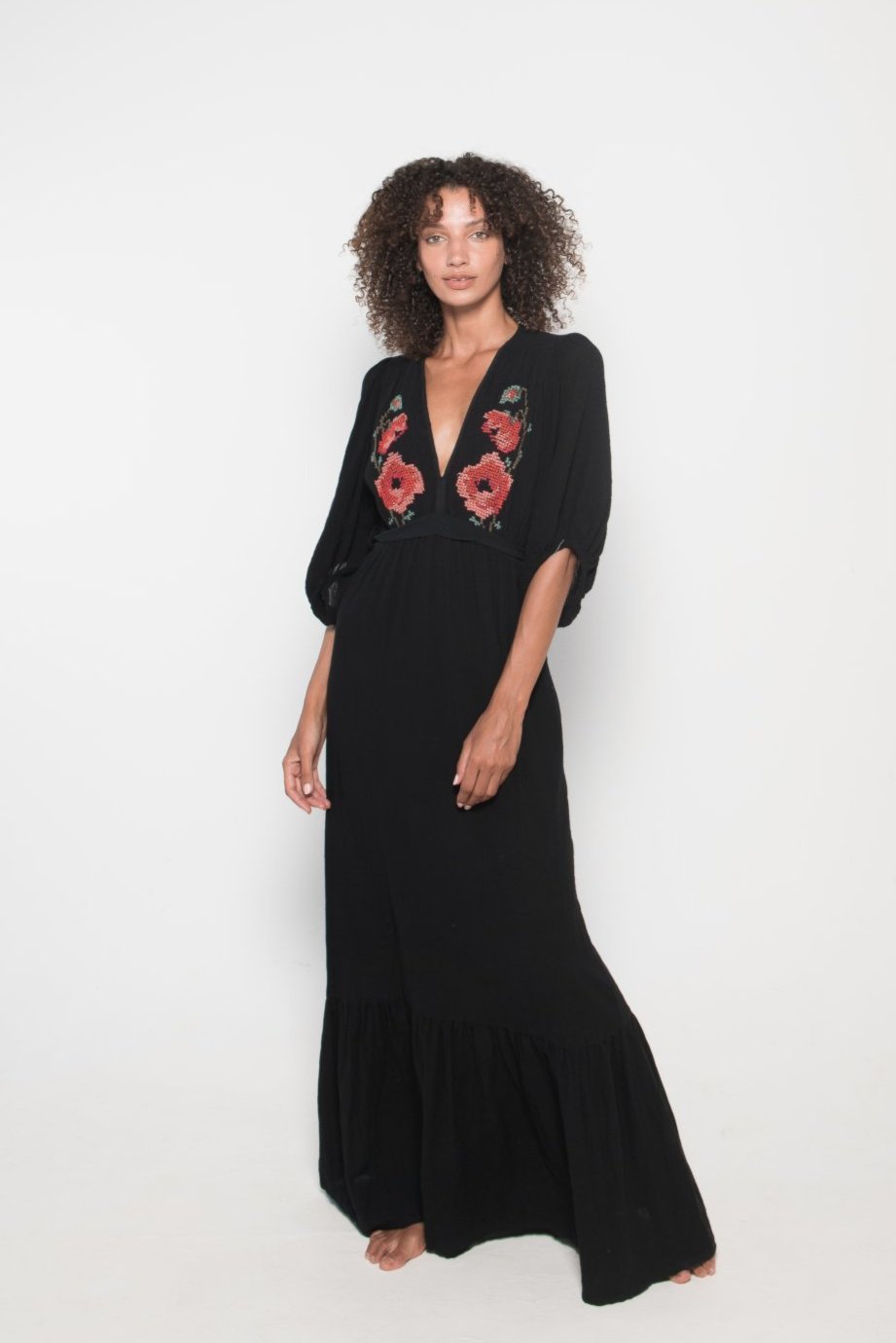
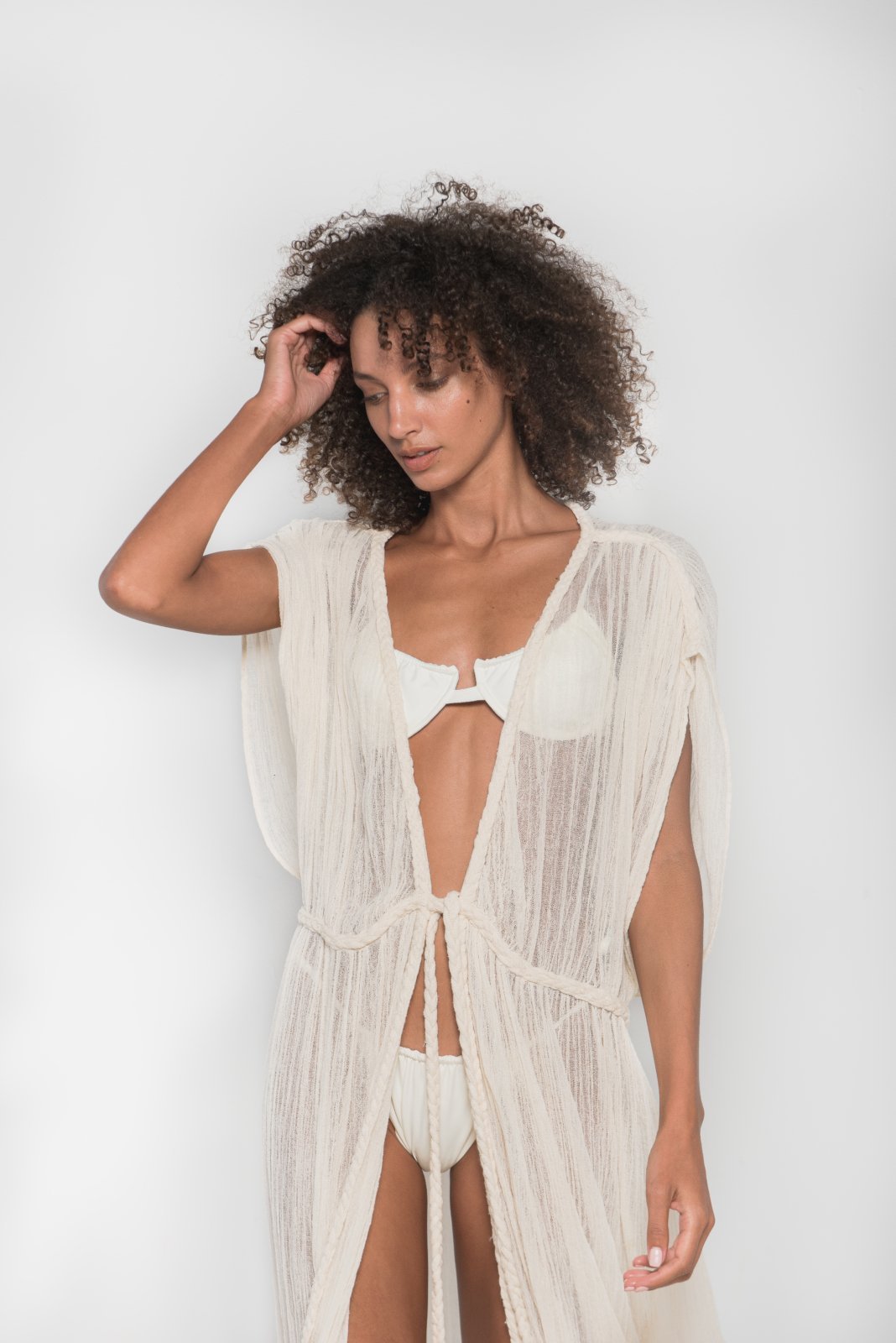
How to build a brunch look around one favorite piece, proportion, layering and enough ease to continue through the rest of the day.
Leer artículo
How to wash, dry and iron embroidered garments without rubbing, wringing or exposing the thread to unnecessary heat.
Hand embroidery should not receive the same mechanical treatment as a smooth surface. La Troupe’s guidance for embroidered pieces is more conservative: wash inside out, preferably by hand and in cold water; do not rub directly; avoid long soaking; dry in the shade and avoid tumble drying.
The reason is practical: thread, knots and embroidery tension react differently to friction, snagging and heat than the base fabric.
An embroidered garment contains more than one surface. Beneath its visible pattern are threads crossing the fabric, points of tension and finishes that may respond differently from the base material. The first decision should happen before water is involved: check the specific care instructions and examine the embroidery for loose threads, color change or sensitive areas. Preservation depends on understanding the complete construction rather than repeating one washing formula for every artisanal piece.
This reduces direct contact between the embroidery and other surfaces during washing and handling. Camisa Huichol Águila documents artisanal embroidery and strong color, two reasons to use especially careful treatment. La Troupe recommends cold water for embroidery. If hand washing, move the garment gently through the water and avoid brushes, scrubbing and twisting.
The reverse side of embroidery may reveal information that a front-facing photograph cannot show. Before handling it, notice how threads finish and where tension is concentrated, especially near seams or fastenings. When an individual label rules out home washing, the material's apparent strength is not a reason to ignore that instruction. The active Huichol Águila shirt offers a specific embroidered product to examine, but its care must be read individually. A technique documented on one garment should never be assumed across an entire collection.
Long soaking keeps fibers, dyes and thread saturated for unnecessary periods. Do not squeeze the embroidery. Press gently and, if needed, use a clean towel to absorb moisture without friction.
Reducing contact with other surfaces may lower some risks, although turning clothing inside out cannot make every cleaning method safe. Advice about water and movement is only useful within the procedures permitted by the garment's own instructions. Do not use the desire to remove a stain quickly as a reason to scrub threads or combine treatments. If color transfers or the surface changes, stop and examine the condition before proceeding. Care is not about applying more techniques; it is about identifying which ones actually suit the textile and its construction.
La Troupe recommends flat or hanging shade drying and avoiding tumble drying. The best method depends on the weight of the garment. Work from the reverse with a protective cloth between iron and garment to reduce direct pressure.
When fabric becomes wet, its weight and proportions can change temporarily. The method used to remove moisture and support drying should therefore depend on construction: a heavier item may need different support from a light one. Seams, shoulders and raised embroidery deserve particular attention. The guide to drying delicate clothing without distorting it explores this relationship between water and form. A surface that feels dry may still hold moisture within layered sections, so storing something too soon may introduce another avoidable risk.
Zippers, watches, rings, Velcro and rough surfaces can catch thread during normal wear and handling. Do not pull it. A visible thread may still be part of a larger tension structure within the embroidery. If damage is progressing, seek repair before cutting.
Everyday use can create as many friction points as certain washing methods. Bags, watches and rough seating may catch a thread. Periodic inspection helps identify these details before damage spreads. An apparent loose end should not automatically be pulled or cut because it may remain part of a larger tension structure. For styling that makes the textile work visible without exposing it unnecessarily, see wearing embroidery without visual overload. The aim is to let the garment participate in real life while preserving the structure that gives it character.
Embroidery lasts better when we reduce everything that pulls, rubs or crushes it.
Camisa Huichol Águila · Saco Crisol · Ruana Cadena
How to Wear Embroidery Without Overloading a Look · How to Recognize a Quality Artisanal Textile
La Troupe recommends prioritizing hand washing for artisanal embroidery.
Not for the pieces covered by this guidance.
From the reverse with a protective cloth.
Care note: the specific product instructions always take priority.
A.03 / JOURNAL / SELECTION
Pieces that continue this story.
New editions, pieces, places, craft and ways of living.