01
What to Wear to Weekend Brunch Without Looking Overdressed
How to build a brunch look around one favorite piece, proportion, layering and enough ease to continue through the rest of the day.
Leer artículo

How to choose between hanging, flat and shade drying according to garment weight, material and construction.
Drying is part of the wash process. Water adds weight to textiles, and the wrong drying position can stretch shoulders, alter hems or create unwanted marks.
A garment may survive washing without visible damage yet change shape during drying. Its wet weight alters how tension is distributed across shoulders, seams and hems. There is no universal rule requiring everything to be dried flat or hung; the appropriate method depends on construction and the care label. The objective is preserving the form the piece should have when it returns to the body, while allowing sufficient ventilation and time for denser sections to release moisture.
GINETEX distinguishes tumble drying, line drying, drip drying, flat drying and drying in the shade. Those symbols reflect how the complete garment should be handled. This can be useful when a wet garment becomes too heavy to hang without distortion. Spread it on a clean surface and allow air to circulate.
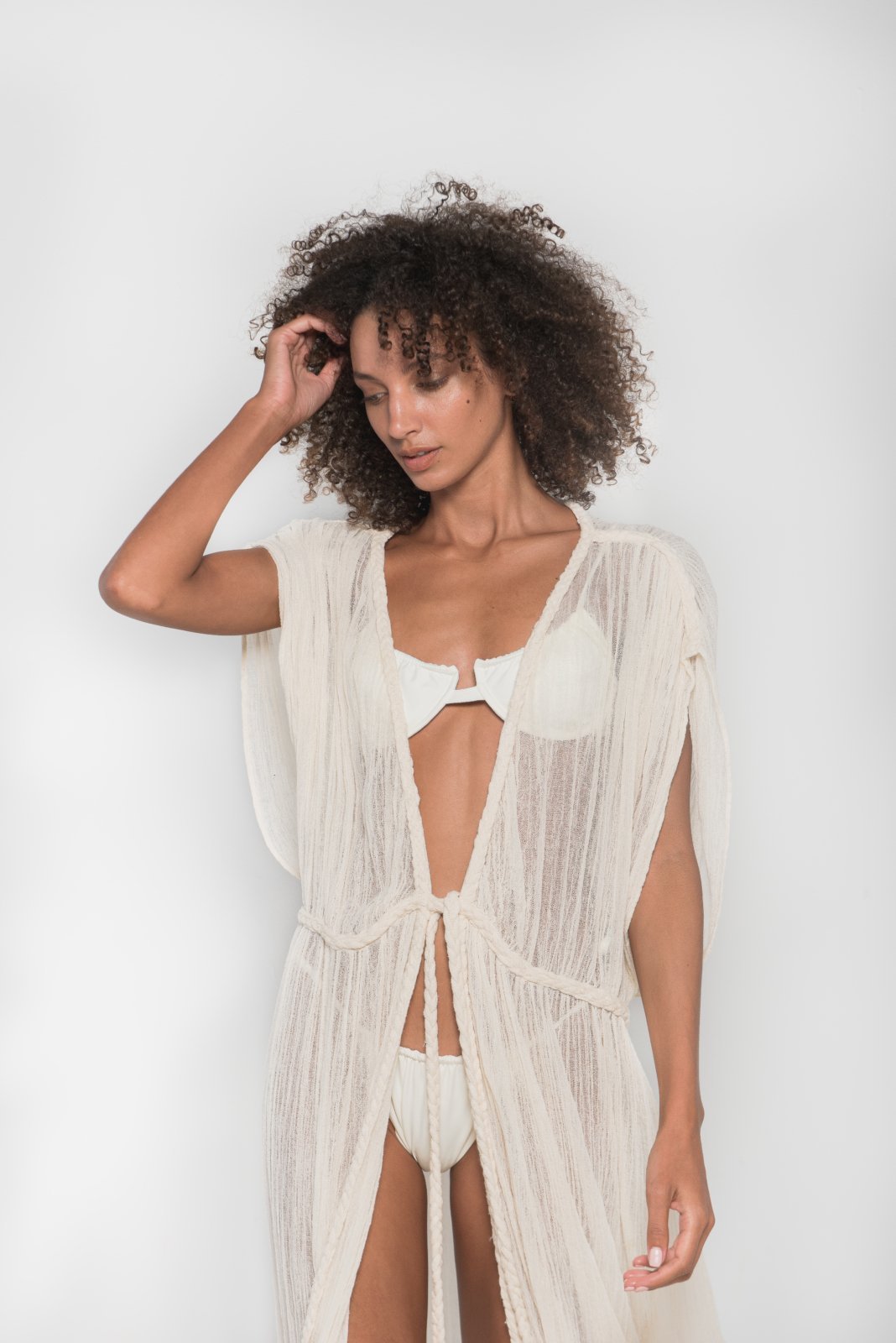
A wet garment does not behave like a dry one. Fluid fabrics may temporarily lengthen under their own weight, while seams and applications carry different stresses. Before moving the piece, review its instructions and identify where the material is concentrated. The active Trenza kimono is one long outer layer worth considering, but cannot establish a drying rule for every kimono. If an item visibly changes shape during drying, reconsidering its support is safer than continuing to apply tension. The finished garment matters more than the broad name of a fiber.
Hanging works when the garment keeps enough structure and the label allows it. Use a hanger that supports the actual shoulder width; narrow hangers can create points. La Troupe repeatedly recommends shade drying for linen, cotton and embroidered pieces. It reduces direct light exposure and unnecessary heat.
Flat drying may distribute weight differently, but it is appropriate only where the garment's instructions permit it. The surface must be clean and allow enough air circulation that moisture does not remain trapped. Fabric folded over itself may create sections that take longer to dry, especially around layered construction. The guide to washing linen without changing its shape explains why garment care does not end when the fabric leaves the water. Position during drying is part of the treatment rather than an insignificant afterthought.
Avoid clips on visible areas when they may leave marks. Do not hang a very heavy wet garment from one small point. Some cotton garments may tolerate a low cycle; other constructions do not. Never assume the whole garment can use a dryer just because one fiber can.
Hanging may aid ventilation, though a narrow hanger can concentrate weight around the shoulders of some wet garments. When permitted, support should correspond to actual shape and weight. The active Cadena ruana provides an example of an outer layer whose individual dimensions and care deserve attention. Whether shade or sunlight is appropriate also depends on the label. Distinguish general textile advice from instructions applicable to the finished object instead of assuming that a lightweight appearance always makes hanging harmless.
Align seams, sleeves and hems before drying. This small step can preserve the intended silhouette better than trying to correct it later with heat. Shade drying does not mean drying in a sealed room. Airflow helps moisture leave evenly. If drying flat, reposition the garment when needed and make sure the surface underneath can also release moisture.
A surface that feels dry may still hold moisture along seams, lining or denser details. Storing it prematurely may lead to unpleasant odors or later problems. Accelerating drying with unauthorized heat is also unwise simply to make a garment available sooner. Before storage, inspect areas likely to retain moisture and check the shape of hems and shoulders. Appropriate drying combines patience with suitable support. Its purpose is allowing clothing to maintain intended proportions instead of forcing it to be ready as quickly as possible.
A garment’s shape is also cared for while the water is leaving it.
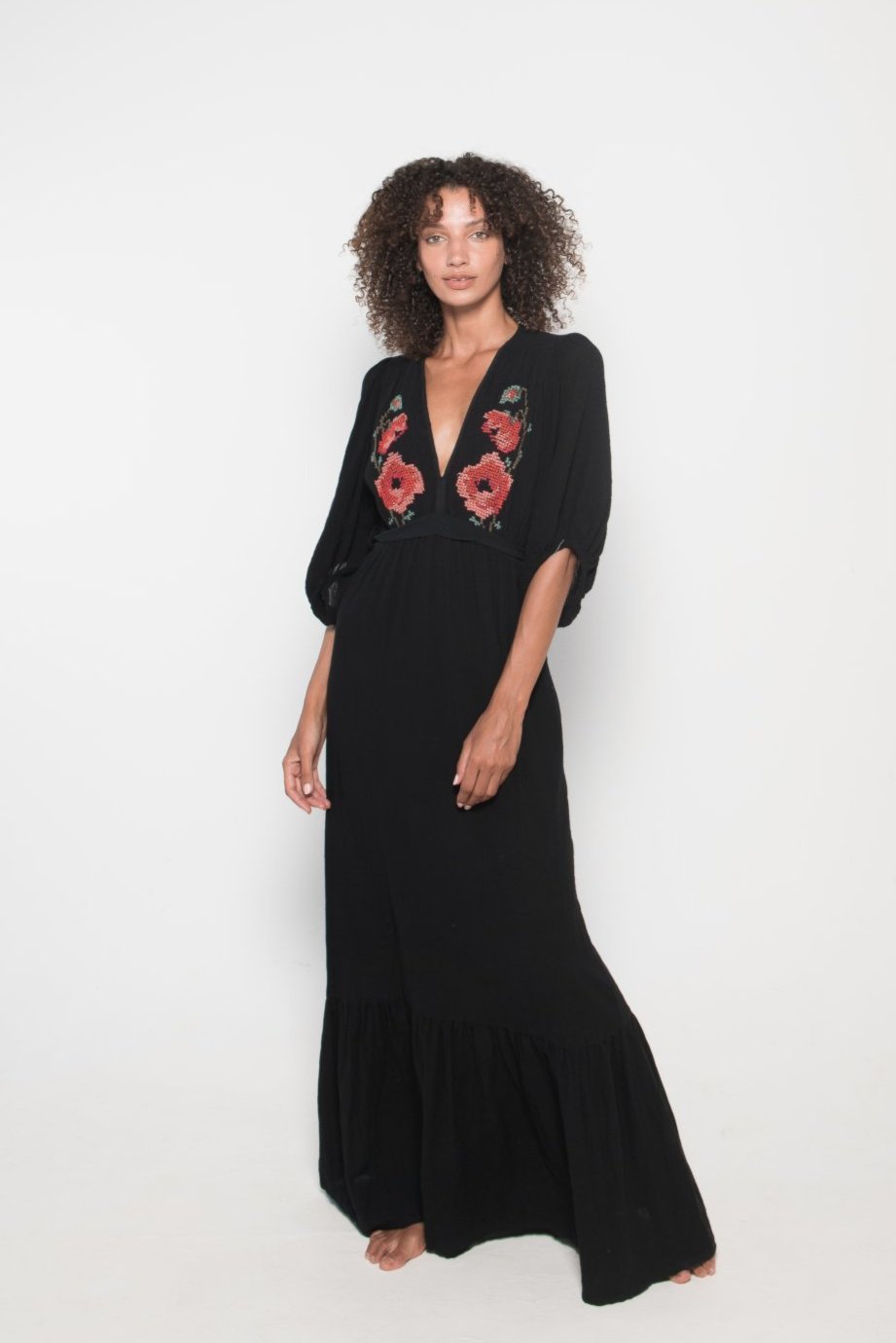
Kimono Trenza · Ruana Cadena · Vestido Sándalo
How to Wash Linen · Iron or Steam
When wet weight could distort the garment and the care label allows it.
It reduces direct light and heat exposure.
Only when the specific care label permits it.
Care note: garment construction matters as much as fiber content.
A.03 / JOURNAL / SELECTION
Pieces that continue this story.
New editions, pieces, places, craft and ways of living.