01
What to Wear to Weekend Brunch Without Looking Overdressed
How to build a brunch look around one favorite piece, proportion, layering and enough ease to continue through the rest of the day.
Leer artículo

What to wear at a beach resort, from warm-weather movement and venue dress codes to layers and repeatable day-to-evening outfits.
Dressing for a beach resort means preparing clothing for different settings: outdoors, rest, lunch, indoor spaces and dinner. A useful wardrobe does not need a separate outfit for every occasion if it contains a repeatable base and layers with clear functions. Warm weather changes priorities, but it does not erase the formality of certain activities or turn every fluid garment into something suitable for use near the water.
Start with the actual itinerary, then consider sizing, construction and care. Movement, realistic combinations and venue expectations matter as much as visual appeal. That is why an editorial guide and a commercial product selection have different roles: one explains how to choose and the other helps visitors discover garments.
A day at a beach resort may begin in the sun, move through an air-conditioned reception area and end in a restaurant. Although all these scenes happen in one property, their clothing requirements are different. A garment worn near the water is not necessarily suited to dinner, and an evening dress may not tolerate sand, moisture or salt. The first criterion should be intended use and the care instructions for each actual product, rather than its holiday appearance. Resort dressing works best when it responds to specific moments.
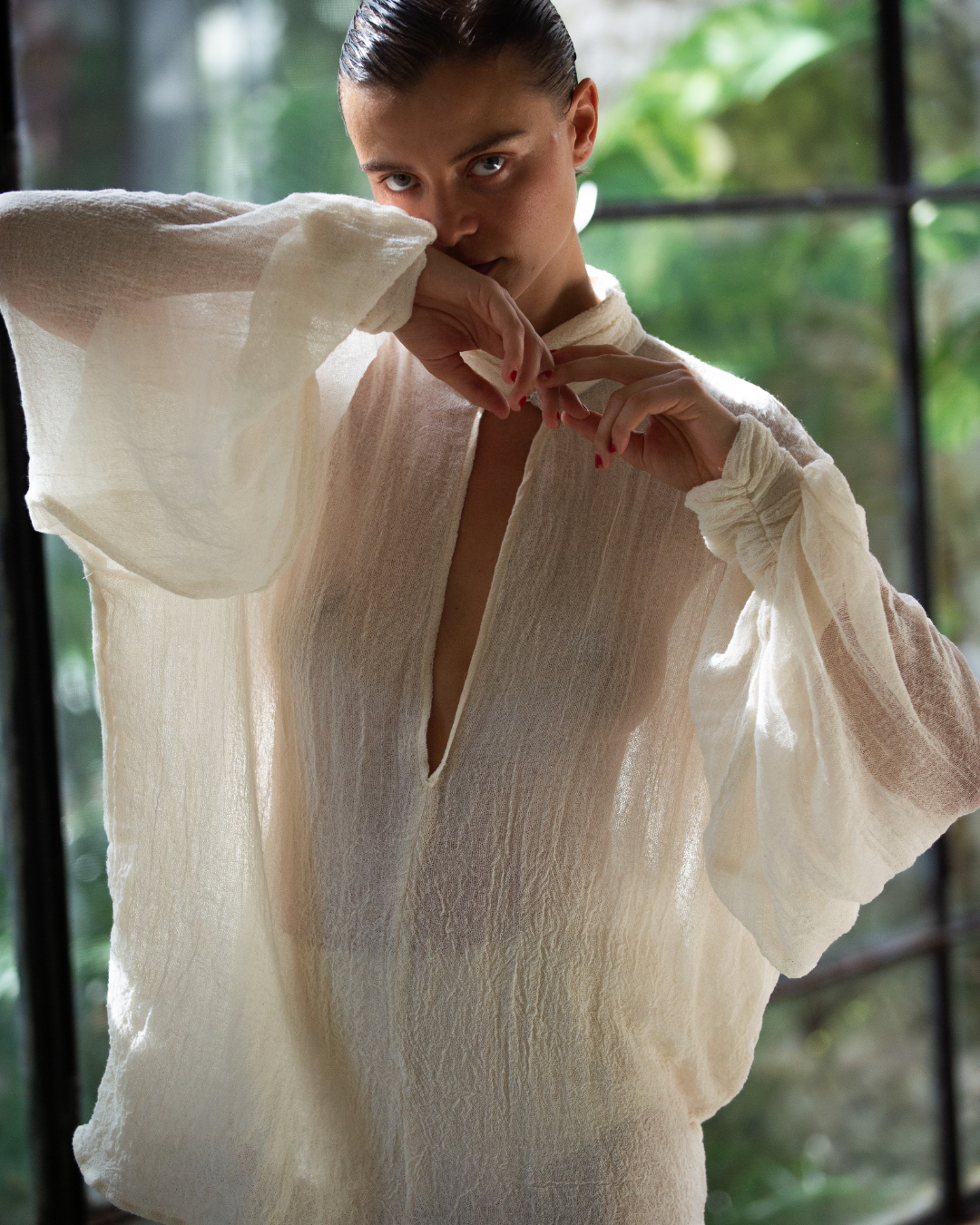
A tunic may be useful between activities provided the garment is appropriate for the intended use. The active Joaquina tunic is one product to evaluate through its length, composition and fit. Do not assume that every fluid piece offers the same breathability or freedom of movement. When a day includes walks, meals and time to relax, the garment's construction should accommodate those activities without constant adjustments. The shore is one context, but it should not dictate every clothing decision throughout the day.
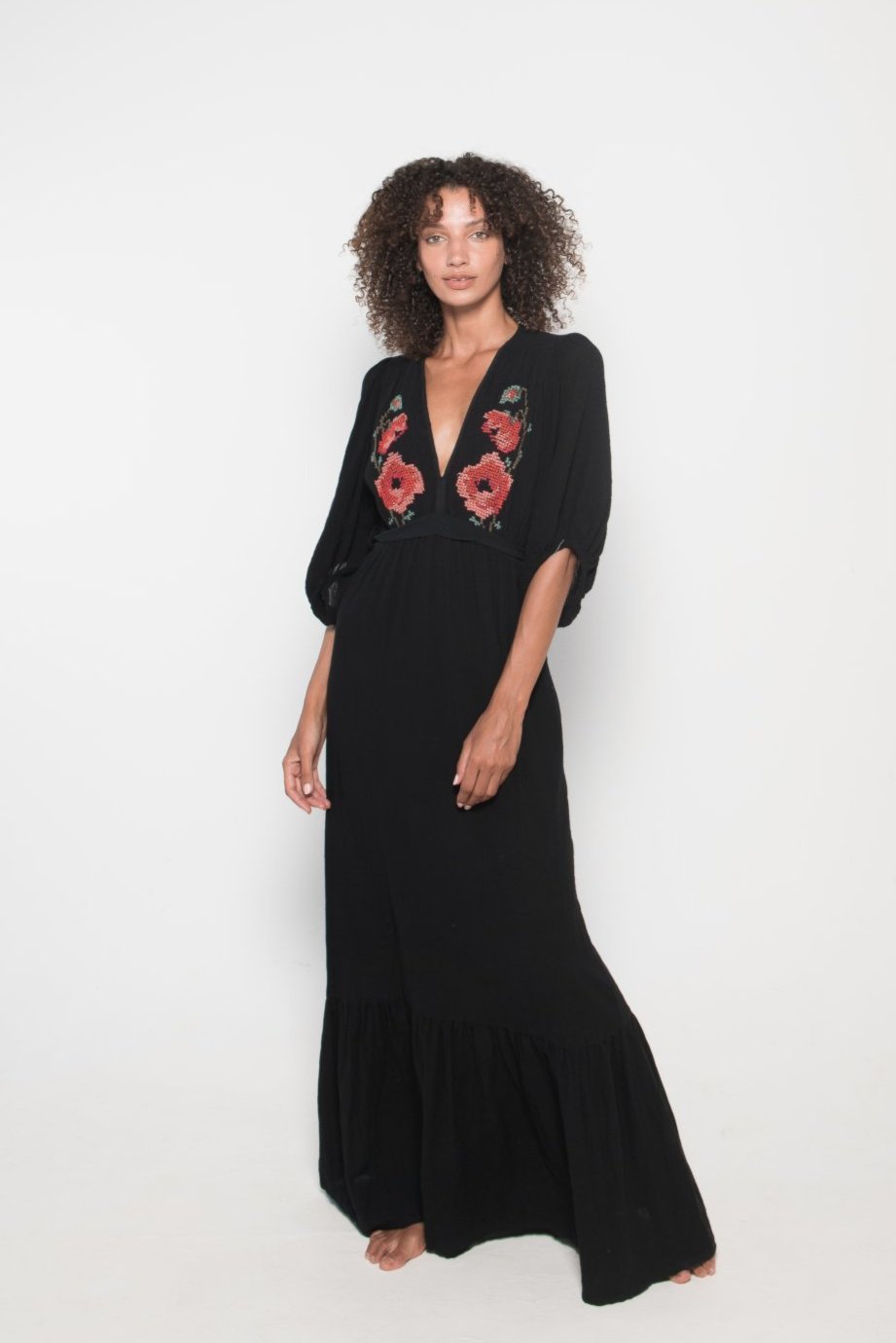
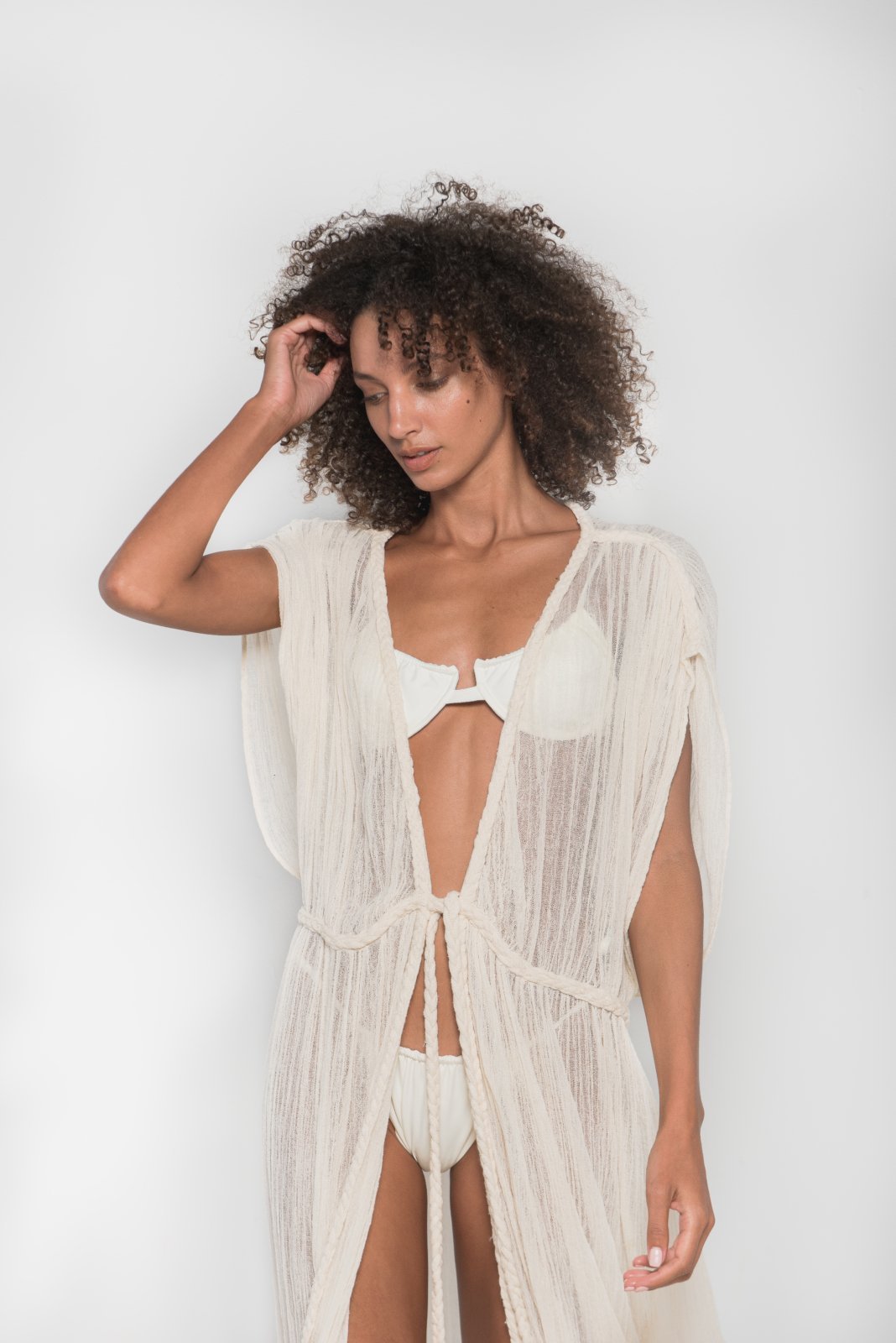
A complete base garment may remain useful across several parts of the day. The active Oro Seda dress is one silhouette to evaluate as the central piece, always subject to venue expectations and actual sizing. An outer layer may become useful in cooler interiors or as light changes. The Copal Latidos kimono is another active product to assess, but it should not be assumed suitable with every dress or for every body.
Layers add value only when their purpose is clear. A generous garment over another voluminous piece may make movement difficult and hide the form of both. A quieter base, by contrast, can leave room for an expressive kimono. Before traveling, try the outfit both sitting and walking. Notice whether the layer can be removed without leaving the underlying clothes visually incomplete. The objective is to build useful relationships between garments rather than increase the number of items in every editorial photograph.
A restaurant may require a more considered dress code than the beach or swimming-pool area. Being inside the same resort does not mean that every garment is appropriate for every occasion. The article on resort casual dressing explains degrees of relaxed formality, while beachwear versus resort wear distinguishes clothing near the water from pieces intended for later activities. These categories overlap, but they do not have identical uses and should not be treated as interchangeable.
Moving into evening does not always require an entirely new outfit. Footwear, accessories and an optional layer can alter the character of a base when the restaurant's rules allow it. There is no need to force the ensemble into a rigid interpretation of formality; the purpose is to respect the occasion. A dress with drape can have presence without considerable weight, provided its hem, finishing and movement suit the event. Construction and social context should be evaluated together rather than in isolation.
A suitcase becomes more useful when every garment shares realistic combinations with the others. If a tunic, dress or trousers require specialized accessories for just one occasion, they may offer less value than a piece used repeatedly. The guide to a seven-piece capsule for warm weather explores that approach. Neutral colors are not compulsory. A personal palette can include strong colors when its garments work together and the overall proportions remain coherent.
For category browsing, La Troupe has a Resort-Wear collection, while vacation dinner looks serves a focused commercial discovery intent. Neither replaces thinking about the actual trip. The best test is whether the same piece could be used for dinner in the city or on a weekend after coming home. When that is possible, resort clothing becomes part of an enduring wardrobe rather than a purchase reserved for one photograph.
Joaquina tunic · Oro Seda dress · Copal Latidos kimono
Explore the edit: vacation dinner looks
Resort Casual: What It Means and How to Dress It · Beachwear vs. Resort Wear: What’s the Difference?
Not necessarily. Check each venue's dress code and distinguish beachwear from dinner clothing.
Review measurements, construction and care; properties vary from product to product.
A.03 / JOURNAL / SELECTION
Pieces that continue this story.
New editions, pieces, places, craft and ways of living.