01
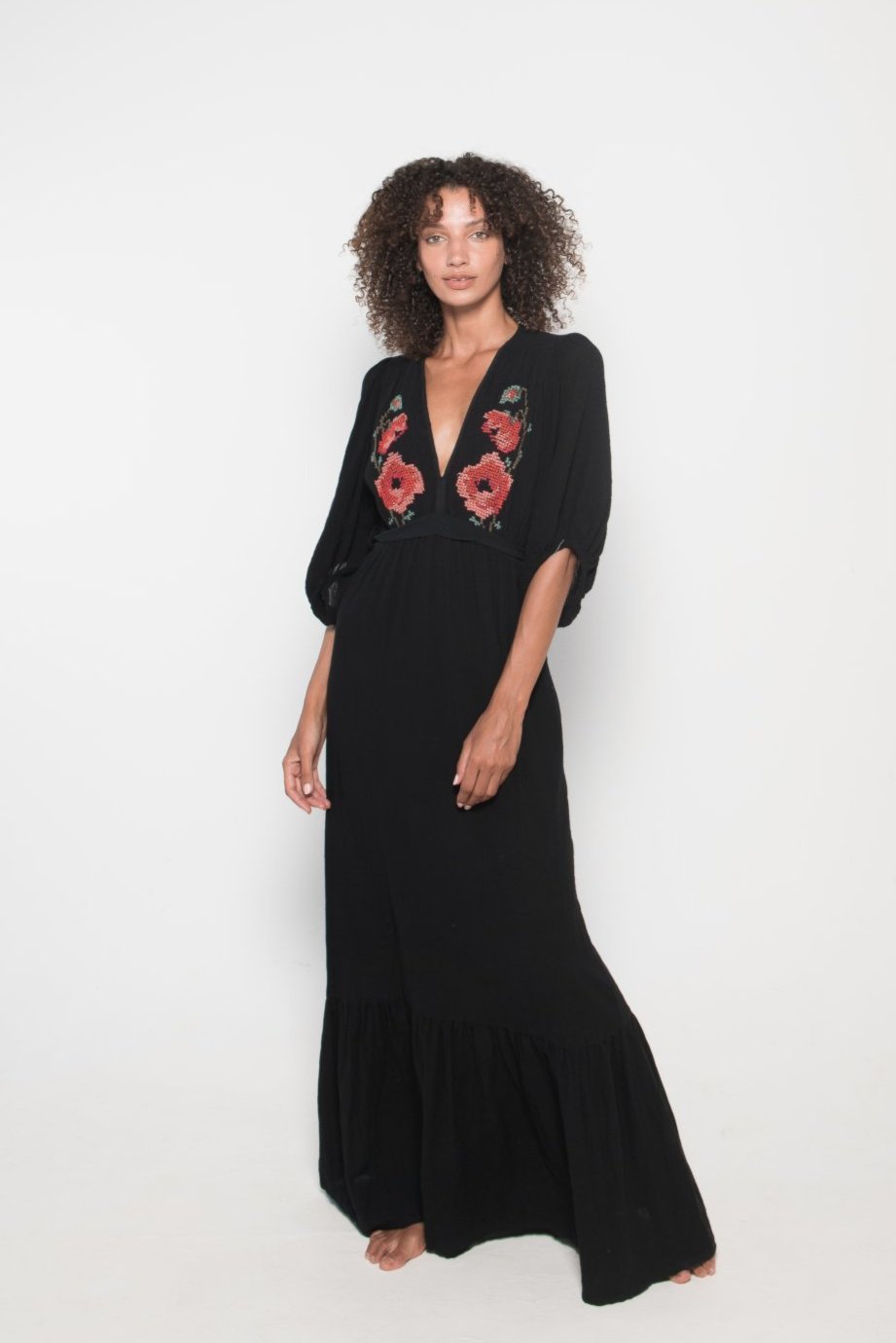
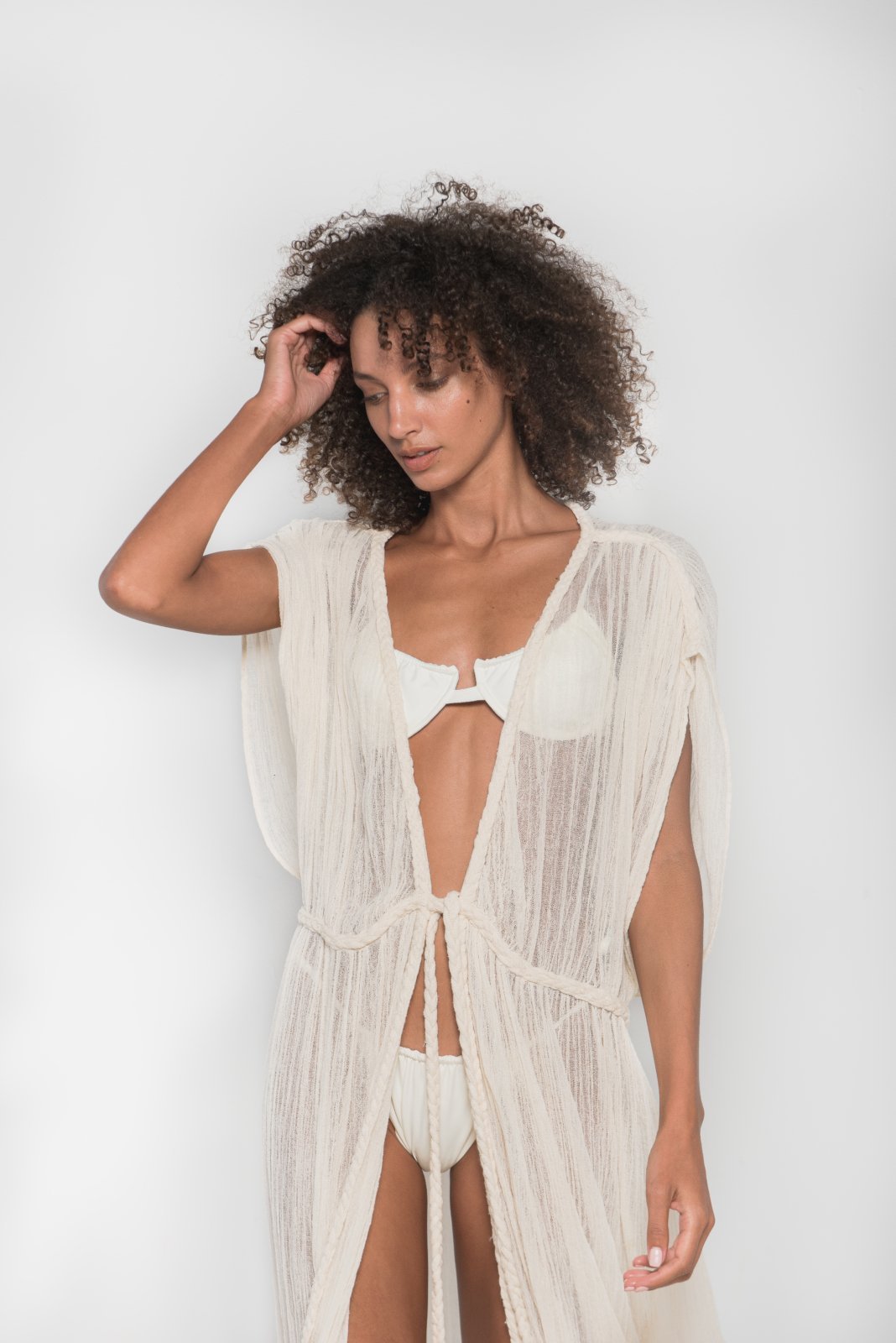
What to Wear to Weekend Brunch Without Looking Overdressed
How to build a brunch look around one favorite piece, proportion, layering and enough ease to continue through the rest of the day.
Leer artículo
How to wash and dry intense colors with less risk of dye transfer, surface wear and unnecessary sun exposure.
Intense colors benefit from less friction, less heat and more discipline when sorting laundry. When a La Troupe piece combines deep color with embroidery or artisanal finishing, the safest logic is conservative: cool water, mild detergent, washing inside out and drying in the shade.
Strong color may be central to a garment's identity, but it does not reveal how the material was dyed or which treatments it tolerates. Surface, weave and finishing influence how color behaves during cleaning and wear. Before placing a new piece alongside other clothes, check its label and notice whether it contains several tones, embroidery or details made from another fiber. The aim is preserving its appearance without assuming that every brightly colored garment shares one production or dyeing process.
When there is any risk of color transfer, separating strongly colored garments reduces the chance of dye moving onto lighter textiles. That does not mean every piece will bleed; it is simply a more controlled first-care approach. Top Fuego Red shows why color is part of the design itself and worth protecting. Turning a garment inside out reduces direct friction on the visible face, especially when embroidery, printing or delicate finishes are present.
The active Fuego Red top provides an example of strong color, but its appearance cannot establish the dyeing process. Where garments contain multiple tones or surfaces, different components may respond differently. Before washing or ironing, consult the individual product information and inspect delicate details. General care advice helps frame useful questions, but cannot replace a label or assessment when dye transfers easily. The finished garment should be understood as a whole rather than by assuming that vivid colors are treated identically.
When the label allows it, cool water is a cautious choice for color. GINETEX treats the temperature on the care symbol as the maximum permitted treatment rather than a requirement to always use that level. Bleaching agents can alter dyes and finishes. Do not use them unless the care label explicitly permits them.
Separating new clothing from other items may be sensible, but the specific cleaning procedure depends on permitted care. Excessive friction can change the surface even without immediate visible color loss. The guide to preserving cotton clothing's shape and color explains why composition, structure and dyeing should be considered together. Embroidery and applied details deserve attention because aggressive treatment may affect both the relief and the colors that make the textile work visible.
Strong light can contribute to color deterioration over time. Shade drying reduces unnecessary exposure while also avoiding added heat. After washing, separate pieces promptly. Prolonged wet contact between dark and light textiles increases the risk of transfer.
The relationship with light does not end after drying. Storage and the places a garment is normally worn also matter. Long exposure may affect certain dyes, although reactions differ between finishes; absolute promises about color longevity are therefore inappropriate. When a manufacturer recommends avoiding specific conditions, those instructions take precedence. An ordinary routine that reduces unnecessary rubbing may be more useful than commercial treatments whose compatibility with the textile has not been established. A strong palette need not become difficult to wear when care is approached thoughtfully.
Not every wear requires a full wash. If a clean garment only picked up environmental odor, airing it away from direct sun may avoid an unnecessary cycle. Fewer cycles mean less accumulated friction on the surface and dye.
When color transfer appears, stop the attempted treatment and identify the surfaces involved. Do not mix cleaning agents in an improvised effort to reverse the effect without understanding their reactions. Photographs of the condition may help explain the incident to a professional or a brand's customer service. Strong color is a meaningful aesthetic choice, but preserving it requires attention to individual garments. The goal is continued use with freedom, combined with the judgment to recognize when an alteration needs specialist assessment rather than another universal household formula.
Protecting color is less about special chemicals and more about controlling heat, friction and contact.
Top Fuego Red · Camisa Huichol Águila · Latidos
How to Wash Hand-Embroidered Clothing · How to Care for Cotton
For first washes or whenever the label suggests it, separation is a sensible precaution.
Prolonged intense light can contribute to fading.
Only if the care label explicitly allows it.
Care note: the specific product label always takes priority.
A.03 / JOURNAL / SELECTION
Pieces that continue this story.
New editions, pieces, places, craft and ways of living.