01
What to Wear to Weekend Brunch Without Looking Overdressed
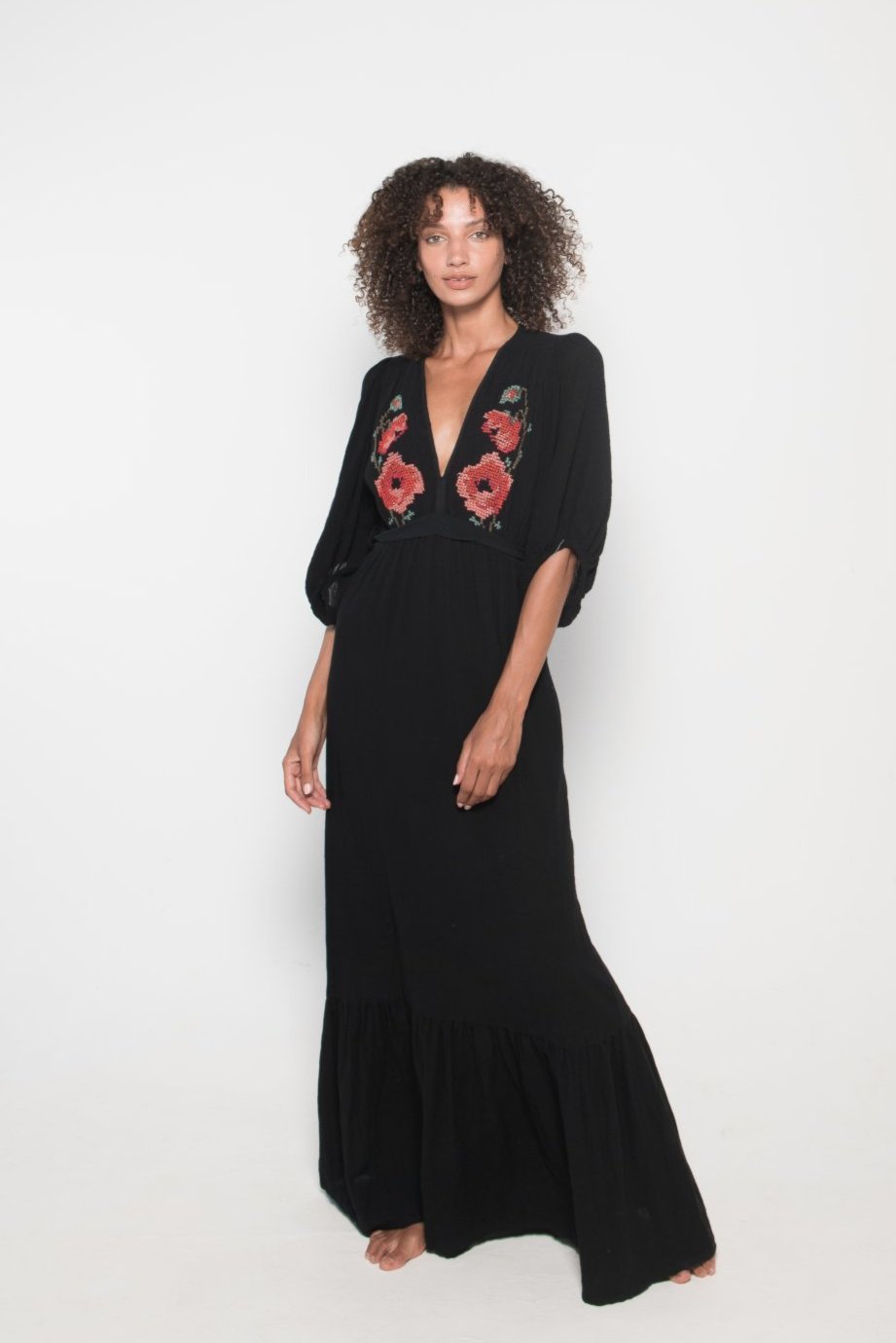
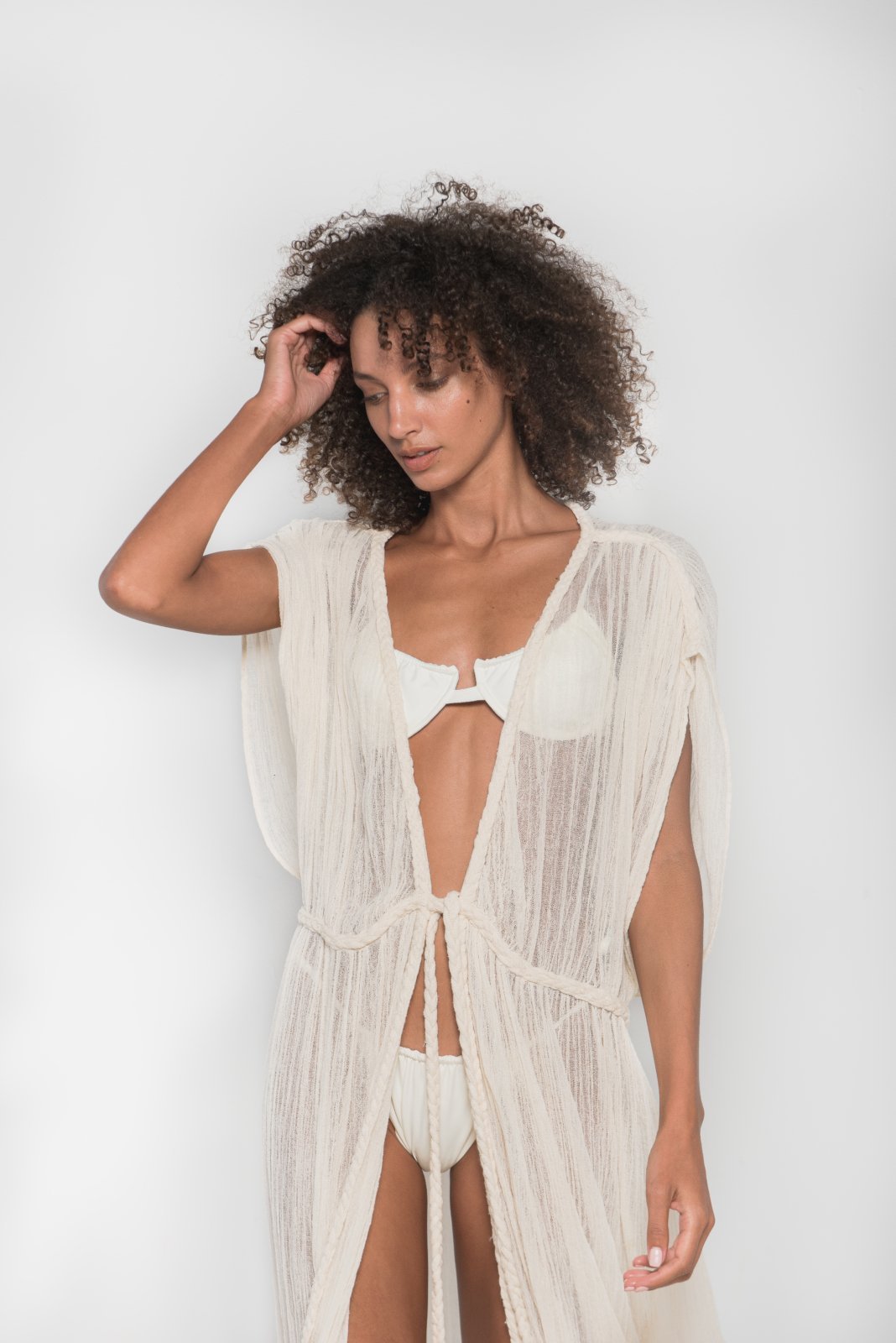
How to build a brunch look around one favorite piece, proportion, layering and enough ease to continue through the rest of the day.
Leer artículo
How to choose contemporary Mexican design as a gift, from documented craft and materials to proportion, everyday use and care, without turning provenance into a souvenir.
A piece of Mexican design can carry its origins without looking like a travel souvenir. Sometimes identity lives in the construction of a silhouette, the feel of a woven surface or the way a handmade detail changes the pace of a garment. Choosing one as a gift calls for more attention than finding a recognizable motif. It means understanding what the object offers and how it might live with the person receiving it.
The more useful question is not whether a piece looks “Mexican enough,” but whether its design, provenance and purpose can be explained precisely. La Troupe grew from an encounter between Argentine founders and textile craftsmanship in Mexico. Its work suggests that contemporary design and techniques passed through generations can coexist without one flattening the other. To choose well, start with the piece itself, then consider the story around it.
Look at the object as you would any thoughtfully designed piece: the proportions of a bag, the volume of a shirt, the movement of an outer layer and the relationship between quiet surfaces and areas of texture. Visible embroidery can provide character, but it does not automatically make something the right gift. When a silhouette holds its own even without an explanation of where it comes from, it is more likely to become part of an actual wardrobe.
It also helps to distinguish the recipient's preferences from what catches your eye in a campaign image. Someone who usually chooses restrained clothing may appreciate a composition in which the crafted detail has room to breathe. Someone already comfortable with expressive accessories or graphic garments may welcome a stronger gesture. Mexican design does not belong to one prescribed aesthetic; that range is part of what makes it interesting.
Before buying, imagine the piece with two or three garments the recipient already wears, rather than with an entire editorial look. If it works only when every element of the original photograph is recreated, you may be responding to the styling rather than choosing something for the person's daily life. That distinction becomes especially important when the aim is to give something that will remain useful beyond one season.
“Handmade” is an incomplete explanation unless it is supported by detail. Ask which stages involve handwork, what the material actually is and which technique can be identified. A label specifying cotton or linen tells you about fiber; it does not necessarily describe the weave or finishing. La Troupe's article on making clothing by hand in Mexico offers useful context for the differences behind these terms.
La Troupe's own documentation describes backstrap-loom weaving, embroidery and working relationships with Mexican workshops and communities. That does not mean every product in the catalog is made through the same process. The individual product description remains the strongest reference. When giving a gift, an accurate sentence about a documented material or technique is worth far more than attaching an invented symbolic meaning or an unverified story to a piece.
Small variations also deserve a thoughtful reading. On some handwoven or embroidered pieces, differences are a natural part of the method; elsewhere an irregularity may simply be a flaw. Not every imperfection should be romanticized. It is better to understand how a piece was made, how to care for it and what its owner can reasonably expect. That kind of transparency honors the work without using other people's labor as decorative storytelling.
A bag may be easier to give than clothing when you know nothing about size, but dimensions, intended use and visual character still matter. A shirt becomes a stronger choice when you understand how the recipient likes clothes to fit and can compare it with something they already own. For home textiles, the scale of a room matters just as much as its colors. There is no universally safe category; each calls for a different kind of observation.
Context changes the decision too. For someone who travels frequently, weight, repeat styling and care during transit can make a meaningful difference. For someone living in a city, the ability to wear a garment often, layer it and adapt it across situations may matter more. Contemporary design becomes valuable through participation in life, rather than by being set aside as an untouchable object.
Before gifting, check the product's actual care instructions and the applicable exchange conditions. Do not assume a handcrafted garment should be washed a certain way simply because you recognize its fiber. Nor should you promise that a textile will last forever. A considered gift comes with accurate, useful information as well as a shape and story that feel relevant to the person receiving it.
Provenance can deepen the experience of a gift without turning it into an obligatory souvenir. A piece rooted in a recognizable material or technique can also belong beside simple trousers, in a contemporary interior or in the wardrobe of someone who lives far from the Riviera Maya. Moving between contexts need not erase origin. It can show that design has a distinct voice capable of remaining relevant elsewhere.
In La Troupe's catalog, that conversation takes several forms, from accessories to outer layers and shirts. Compare the Bolsa Huichol Serpiente with the Kimono Huichol Venado, two active pieces with very different roles. Neither needs to represent an entire culture. What matters is an accurate description, a considered design decision and a recipient who can find a place for it in everyday life.
For a practical selection, explore contemporary Mexican design gifts. For deeper context, read how to recognize quality artisanal textiles and why handmade clothing can cost more. A thoughtful gift does not need an exaggerated claim; its form, origin and usefulness should be able to speak for themselves.
Bolsa Huichol Serpiente · Kimono Huichol Venado
Explore the edit: contemporary Mexican design gifts
Made by Hand in Mexico: The Story Behind La Troupe · How to Recognize a Quality Artisanal Textile
Specific product documentation, not appearance. Verify the actual process before describing it.
No. The recipient's taste, the object's proportions and its care also matter.
A.03 / JOURNAL / SELECTION
Pieces that continue this story.
New editions, pieces, places, craft and ways of living.