01
What to Wear to Weekend Brunch Without Looking Overdressed
How to build a brunch look around one favorite piece, proportion, layering and enough ease to continue through the rest of the day.
Leer artículo
Choose a gift for someone with a strong personal style by understanding their recurring proportions, colors, habits and favorite garments before trying to surprise them.
Some people's style is recognizable before you see their face. They repeat a particular sense of volume, a family of colors or a relationship between clothing and accessories. Buying them a gift can feel difficult because every piece they choose seems to follow a clear set of personal rules. The mistake is to interpret that consistency as something to break: seeking a surprise so different that it never finds a place in their wardrobe.
A considered gift begins with what the recipient has already chosen rather than trying to correct it. Perhaps they wear black often but experiment with texture; perhaps they favor generous silhouettes or balance quiet clothes with a single expressive detail. Understanding those patterns makes it easier to choose something new that adds interest without feeling borrowed. The point is to recognize their sensibility, not prove our own daring as shoppers.
Look at several actual outfits rather than one photograph. Which proportions recur? Are there long garments, defined shoulders, open layers or marked waists? Does the person allow one piece to draw attention, or do they combine several expressive elements? These observations are more reliable than calling a style minimalist, bohemian or elegant because they describe specific choices.
Color tells a story, but it is rarely just a list of shades. Someone who wears neutrals may be interested in contrasts of texture rather than a new color. Someone else may rely on strong hues and feel unlike themselves in the supposedly safe beige garment. A precise choice recognizes the relationship between color, texture and shape that the recipient has developed over time.
When uncertain, think about what they wear most often during an ordinary week. A gift intended for that routine is more likely to become part of daily life than something reserved for an imagined occasion. The article on the La Troupe woman explores how freedom, craft and sensuality inform a personal way of dressing without becoming a universal formula.
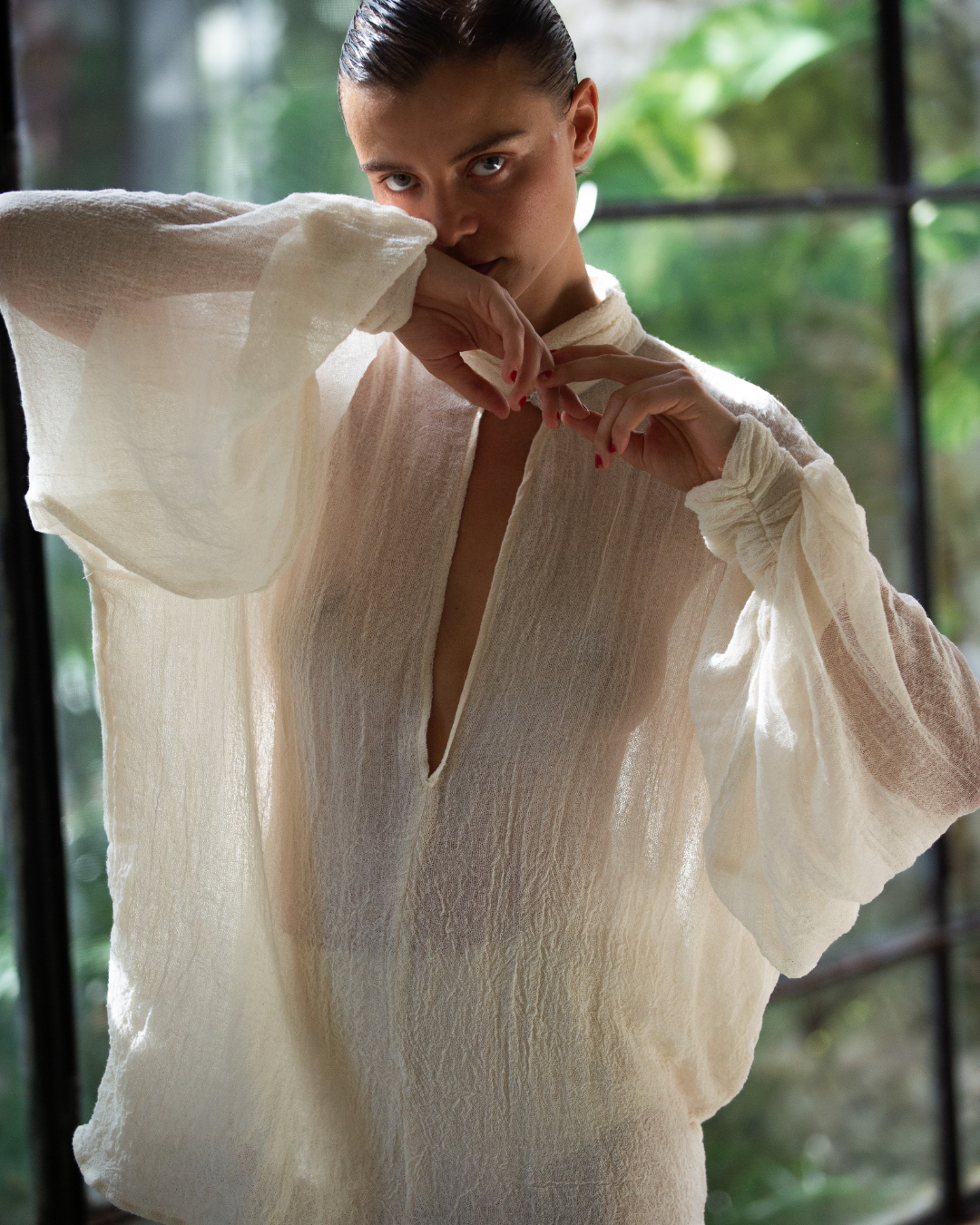
Surprise does not require an entirely different style. A familiar garment in another material, a layer with an unexpected drape or a localized embroidered detail can bring something new within a recognizable language. The Helena blouse is worth evaluating for someone who already wears fluid tops. Whether it fits their style depends on the cut and how they might wear it, not on the appeal of its name or campaign photograph.
Before choosing a statement piece, imagine three outfits it could create with clothing you know the recipient owns. If it requires the rest of the wardrobe to change, it may demand more transformation than you intended. By contrast, a kimono or blouse that works with familiar trousers can feel new without displacing the wearer's sense of identity.
Size still matters in relaxed clothing. A roomy silhouette has sleeve lengths, shoulder proportions and volume around the body. Check the product measurements and compare them with something the recipient enjoys wearing. Ignoring fit can turn a sound aesthetic instinct into a garment that is difficult to use.
An expensive or visually intense piece is not necessarily more personal. Some people feel their best in understated clothing, carefully built and easy to repeat; others enjoy allowing a color, texture or layer to take center stage. The value of the gift lies in recognizing that preference, not in trying to outshine the clothes the person already owns.
It is equally important to separate the shopper's taste from the recipient's. If you prefer ornamented clothing but the recipient avoids prominent embroidery, do not force your enthusiasm on them. Conversely, selecting something neutral simply out of caution may be a mistake when the person's wardrobe is full of color and expression. A thoughtful choice need not appeal to the giver in precisely the same way.
Artisanal design can speak to both sensibilities when its construction is described accurately. Some garments place craft in one restrained detail; others make it central to the silhouette. For a broader look at lasting choices, read what makes a garment timeless. Timelessness is not one color palette but an enduring relationship between use, style and quality.
Before buying, confirm four things: the person is familiar with the category, the silhouette suits their habits, it has clear combinations with what they own and the size can be checked. This does not need to become a questionnaire; your observations simply need real examples. Something that fails on every count may be interesting as an object but difficult as a gift.
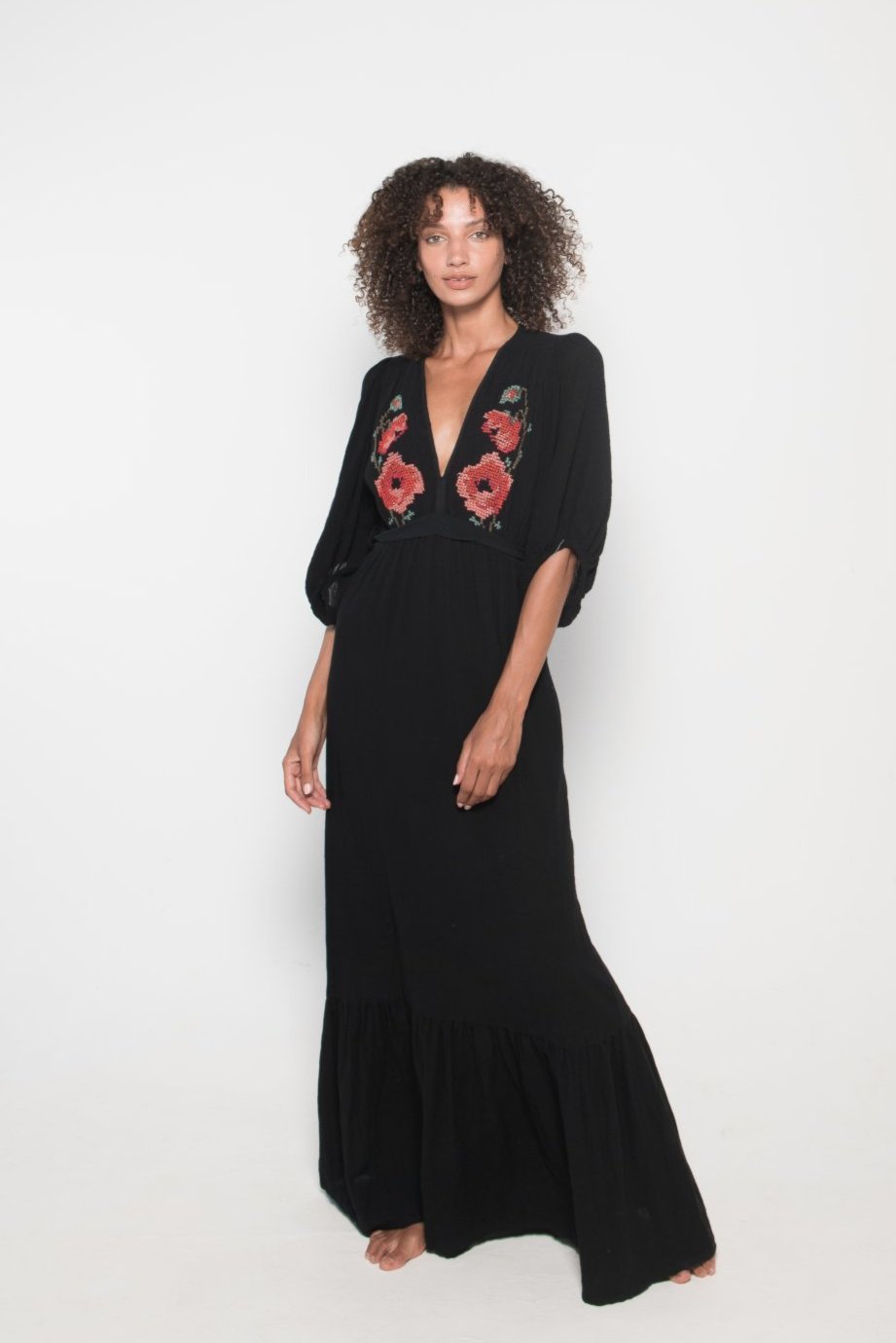
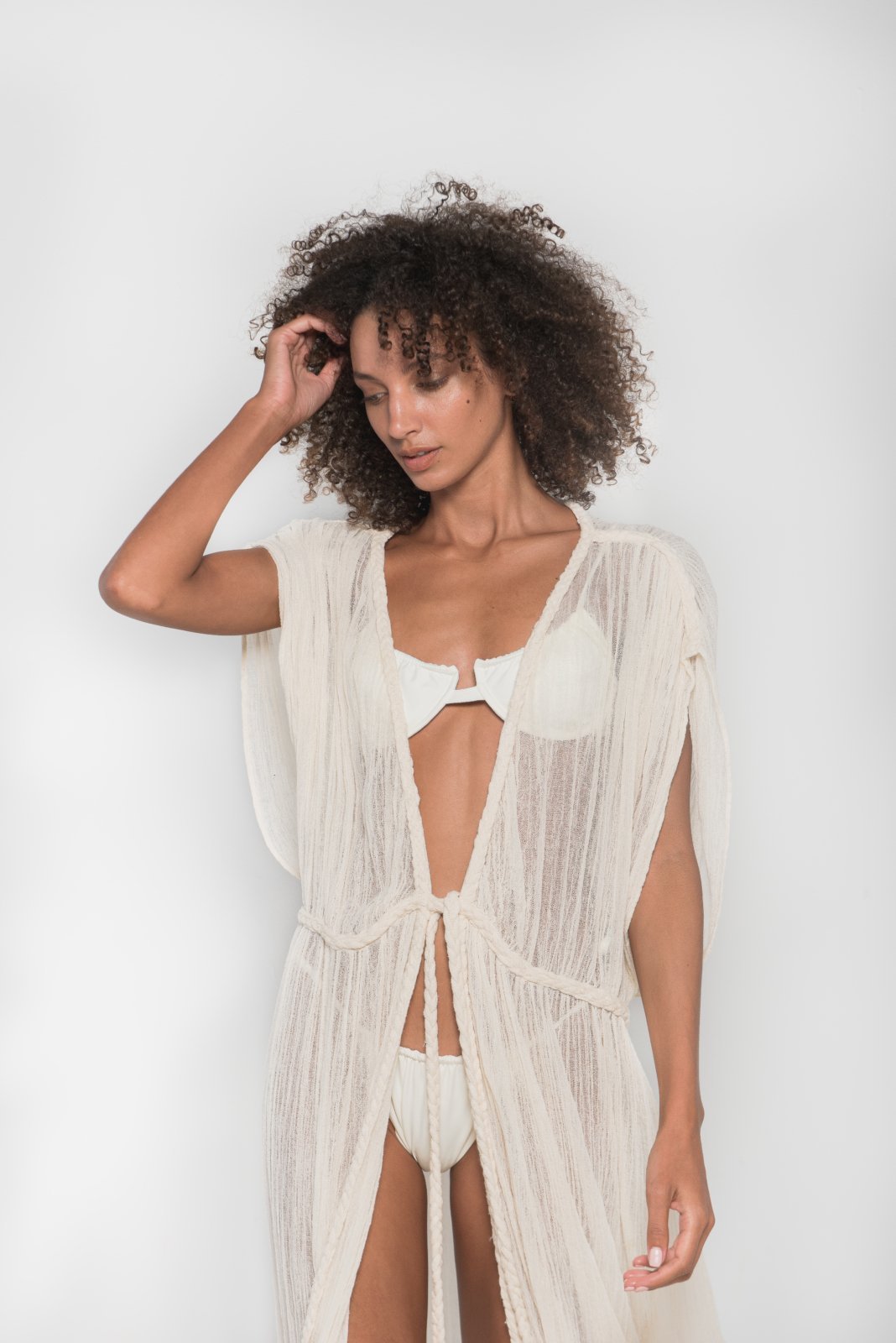
For a focused selection, explore gifts for her. Among La Troupe's active products, consider the Iruya dress or the Trenza kimono, checking the relevant sizing before purchasing. The final choice should come from the life of the recipient, not from a seasonal formula.
Giving something to a person with a defined style is an opportunity to show attention. There is no need to discover a garment they have never imagined wearing or invent a new personality for them. Sometimes the best gift seems obvious once you see it: it belongs with what they already love while offering one slightly different way to wear it.
Helena blouse · Iruya dress · Trenza kimono
Explore the edit: gifts for her
The La Troupe Woman: Dressing with Freedom, Craft and Sensuality · What Makes a Garment Timeless?
Only if it connects with recognizable preferences. A new texture within a familiar shape may be easier to incorporate.
Both matter. Start with the proportions the recipient prefers, since color cannot compensate for a cut they dislike.
A.03 / JOURNAL / SELECTION
Pieces that continue this story.
New editions, pieces, places, craft and ways of living.