01
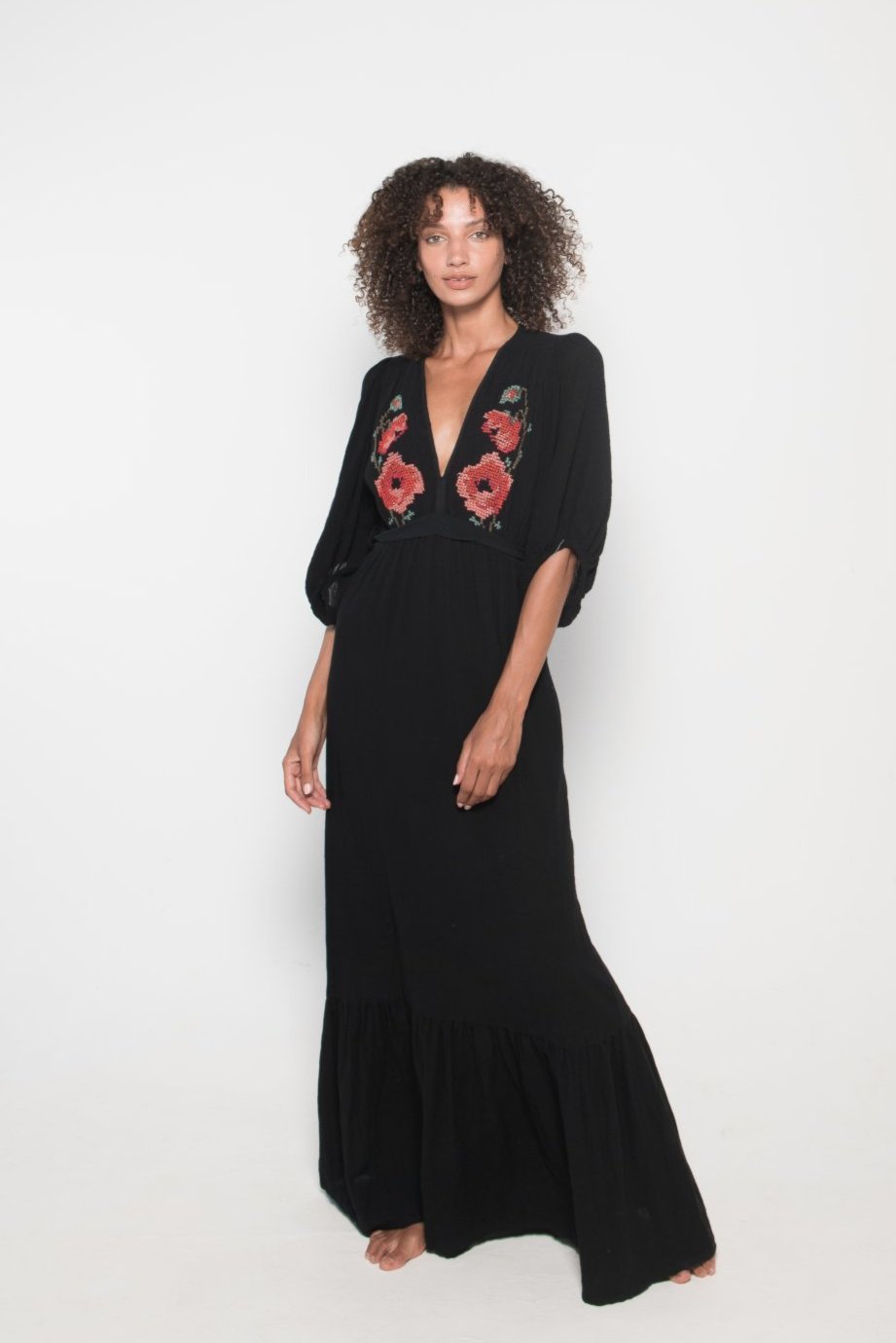
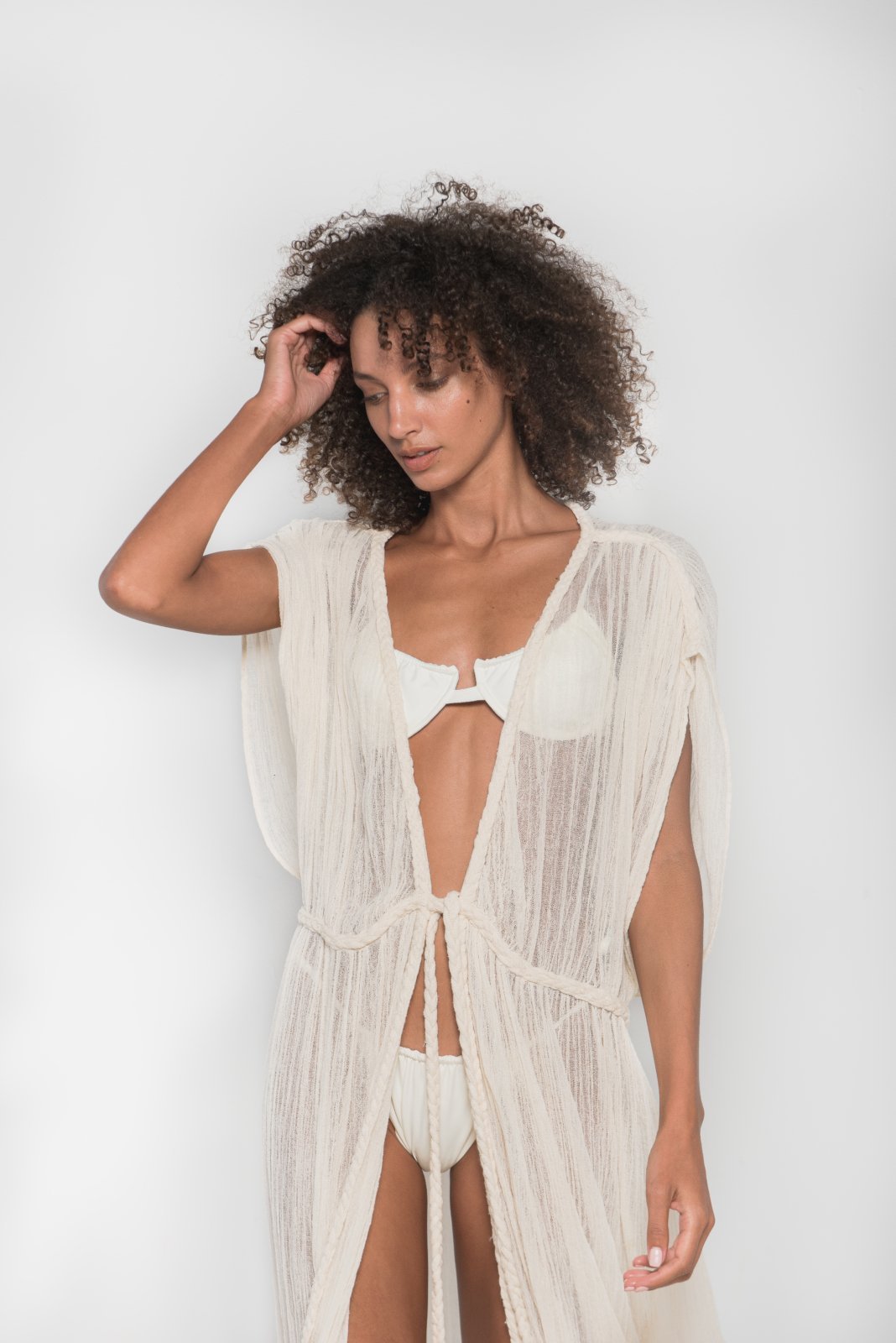
What to Wear to Weekend Brunch Without Looking Overdressed
How to build a brunch look around one favorite piece, proportion, layering and enough ease to continue through the rest of the day.
Leer artículo
A thoughtful textile gift starts with construction, technique, proportions and care, while documented provenance adds context without replacing practical use.
A textile piece can be an especially personal gift because it combines use, surface and a physical relationship with material. But to work well, it is not enough for the piece to be “artisanal” or visually striking. It needs to make sense for the person, space or wardrobe receiving it.
There is an important distinction between admiring a textile and choosing it for somebody else. A photograph may reveal weave and color, but it cannot immediately tell us whether a bag will be the right size, a cushion will suit a room or a garment will be easy to wear. The work of choosing begins when we imagine those practical details rather than simply accepting an attractive story about the way a piece was made.
The story matters, but first understand what the object actually is. Cotton, linen, silk, rayon and blends all behave differently and require different care. If the gift is being chosen for artisanal work, look for concrete information. Is there embroidery? Weaving? Documented handwork? Avoid filling gaps with generic narratives. Our article How to Recognize a Quality Artisanal Textile explains what to look for.
Start by separating fiber, technique and finishing. A composition label may mention cotton or linen, but that does not automatically identify the weaving method or which stages involved handwork. Individual product descriptions should confirm the processes used on each piece. Attributing one documented technique to an entire catalog would be misleading. Our guide to recognizing quality artisanal textiles considers materials, construction and details without treating provenance as a universal guarantee of superiority.
A textile does not need to become an untouchable object. A cushion, bag, ruana or shirt gains value when it can enter everyday life without losing identity. A delicate piece can be wonderful for someone who enjoys caring for it and inconvenient for someone else. Reviewing washing, drying and storage instructions helps you choose more intelligently.
A bag and a cushion are both textiles, but their practical demands are different. A bag has to serve what a person carries and the dimensions they prefer. A cushion needs to belong on a particular sofa, bed or chair. For open garments, length and volume still matter even when sizing is relatively flexible. Compare measurements with familiar objects and consider what other pieces will surround the gift. An expressive detail should not force the recipient to redesign an entire wardrobe or interior.
At home, size determines how much visual weight a textile carries. In clothing, length and volume change the relationship with the body. A good gift considers both. A woven, embroidered or raised surface can introduce interest even within a restrained palette. That makes textiles especially useful for people who do not want to add many new colors.
Touch may offer the first attraction, but care determines whether the piece will continue to be used. Fibers, weave, dye, embroidery and finishing can produce different maintenance needs. Never assume a textile can be machine washed or steamed simply from how it looks. It should fit the recipient's habits: someone who uses cushions every day and someone who enjoys caring for delicate objects may appreciate different choices. Consider whether the material can be folded, moved or stored without unreasonable effort.
A piece can carry cultural or technical roots without becoming trapped in a folkloric reading. Contemporary design allows craft to enter other spaces and combinations. A short explanation of the material or technique can deepen the experience of receiving the piece. The key is to share only what is actually documented. A strong textile piece can be observed up close, used for real and discovered over time.
Verified facts about origin enrich a gift when explained without exaggeration. You may share documented information about a weave or manual process while avoiding histories the brand has not confirmed. For cultural context, read made by hand in Mexico. The gifts for textile-art lovers selection is a separate shopping destination, not a replacement for individual judgment. A meaningful textile can be studied closely and then find repeated use in ordinary life.
cojin palmera · bolsa serpiente huichol
Explore the edit: gifts for textile-art lovers
How to Recognize a Quality Artisanal Textile · Made by Hand in Mexico: The Story Behind La Troupe
Check material, construction and product documentation; provenance alone does not establish quality.
Review measurements, care instructions and availability for the specific item.
A.03 / JOURNAL / SELECTION
Pieces that continue this story.
New editions, pieces, places, craft and ways of living.