01
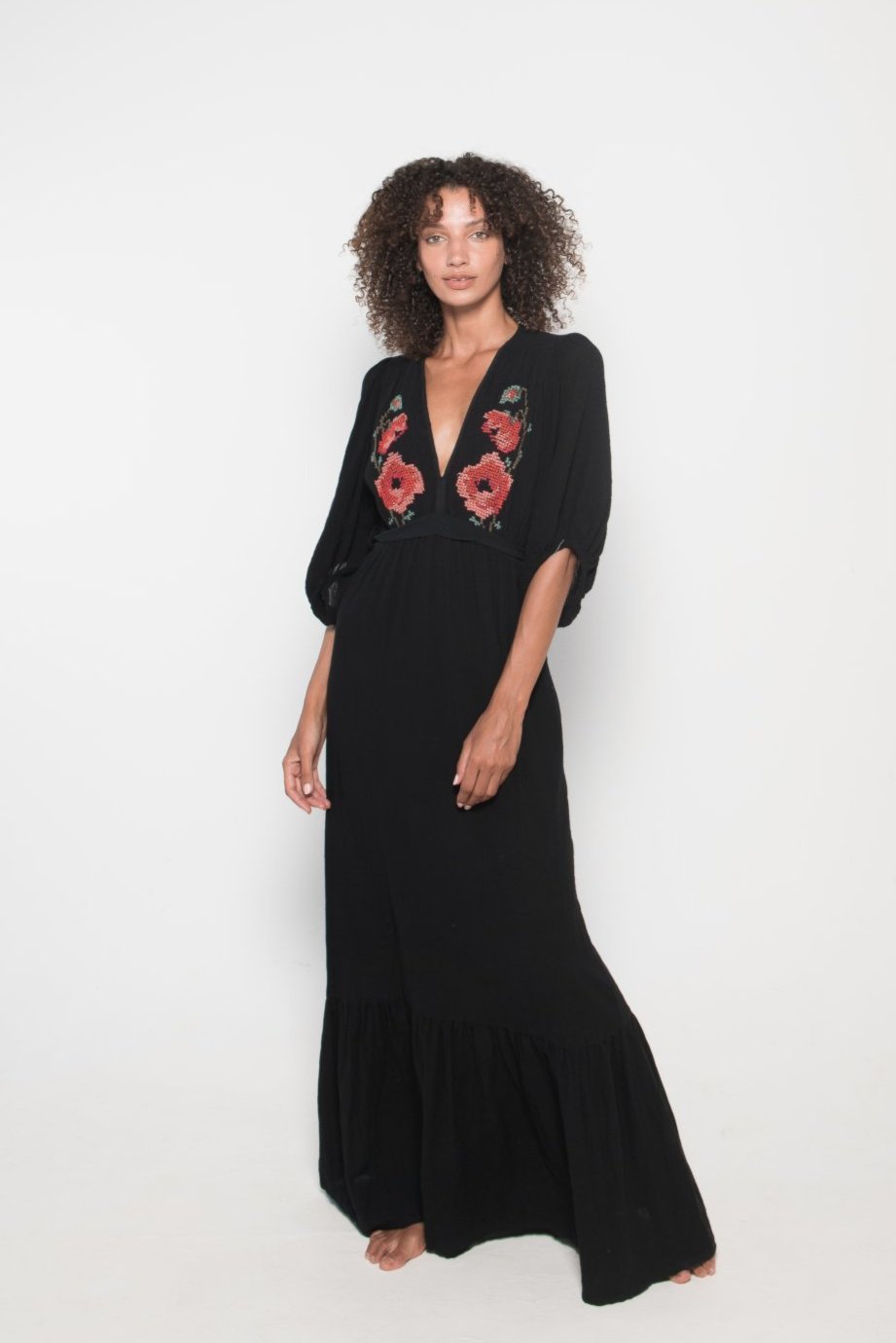
What to Wear to Weekend Brunch Without Looking Overdressed
How to build a brunch look around one favorite piece, proportion, layering and enough ease to continue through the rest of the day.
Leer artículo
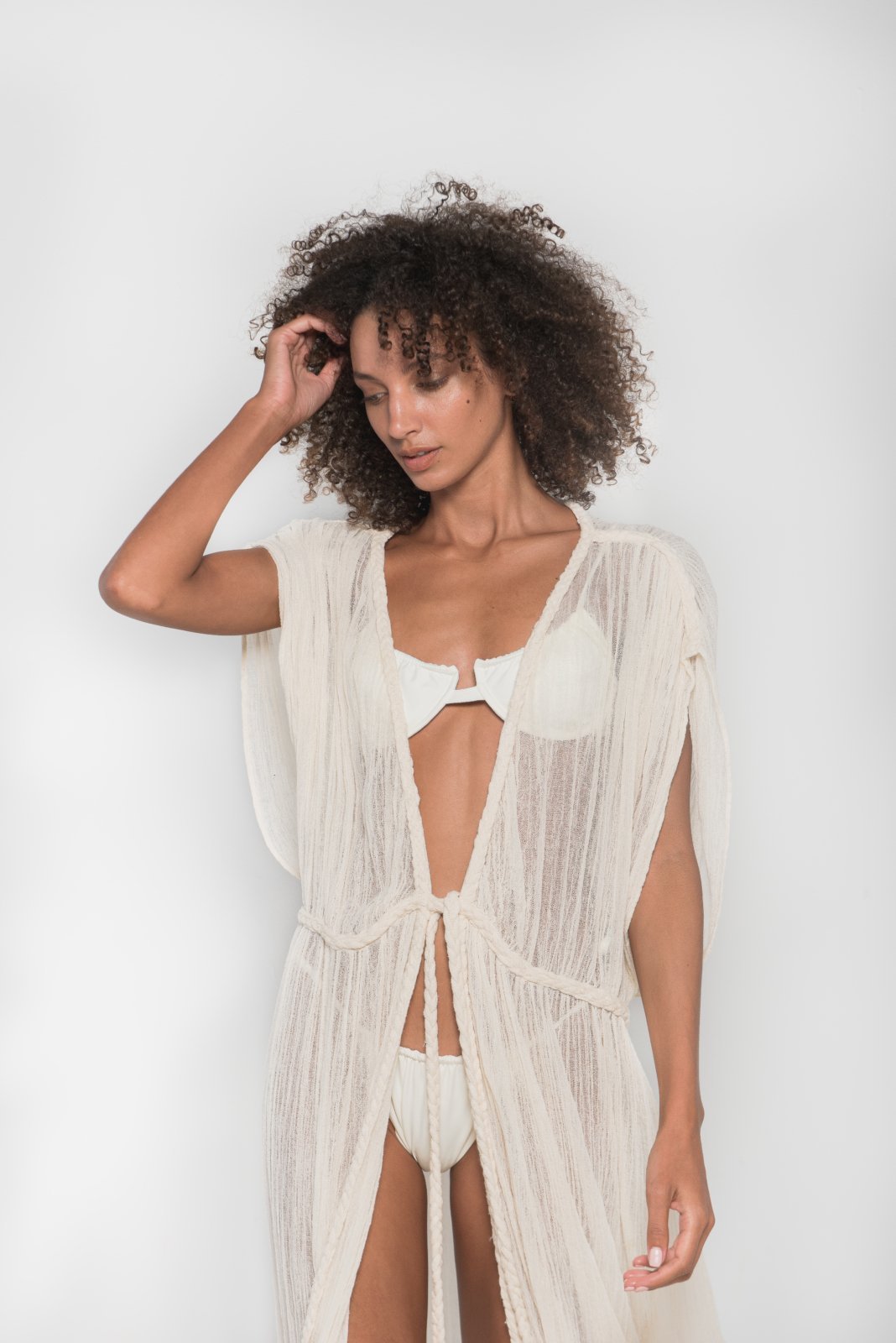
When to use an iron, steam or no heat at all according to fabric, construction and care label.
Ironing and steaming are not interchangeable. An iron combines heat and pressure; steam adds heat and moisture with less direct pressure. The right choice depends on fiber, finish and construction.
A crease after traveling does not mean every garment needs heat. Appropriate treatment depends on the care label, construction details and how the textile responds to pressure and moisture. Embroidery, lining or applied elements may require different care from a plain garment, even if they share a principal fiber. Ironing and steaming are not interchangeable or universally safe solutions. The first decision is recognizing when intervention is useful and when the material's natural drape should be left alone.
GINETEX uses specific ironing symbols and temperature levels. If a label says do not iron, steam should not be treated as a loophole: some finishes can still react to heat. La Troupe’s general cotton guidance allows medium heat and recommends working from the reverse when embroidery or printing is present.
The care label describes a finished object, not merely the fiber listed in its composition. The same material can behave differently when embroidered or assembled in several layers. Before preparing an iron, look for parts that might be flattened and check specific restrictions. If heat is prohibited, attempting a household shortcut because wrinkles are visible is not a sensible choice. Appropriate drying and storage may reduce the need for later correction. It is better to preserve the garment's intended surface than impose the same finishing technique on everything in a wardrobe.
For linen, La Troupe allows medium-high heat with steam when the product instructions permit it, preferably from the reverse side. Temperature should be lower and strictly follow the garment label. Too much heat can alter sheen, surface or finish.
An iron applies heat and physical contact, and that pressure may change raised texture or mark sensitive materials. When a manufacturer permits its use, the individual conditions matter more than a universal temperature chart. Experimenting on a delicate or valuable garment is rarely worthwhile. The article on washing linen without changing its shape explains why drying and garment form are connected to subsequent care. The objective should be preserving original construction rather than producing the smoothest possible surface.
Do not press directly over raised thread. Work from the reverse and use a protective cloth when appropriate. Viscose generally sits in a moderate ironing range. Avoid excessive pressure and confirm the care label first.
Steam introduces moisture and heat even when the equipment is not pressed directly onto the fabric. Avoiding contact does not automatically make the process harmless. Applied details, blends or colored surfaces may respond unexpectedly, which makes garment-specific instructions essential. The active Ondina silk dress is one product whose individual care information should be consulted. Its presence in a collection does not justify a general steaming procedure for every silk garment. When details are uncertain, a specialist may be a safer source of guidance.
Steam can help fluid garments regain drape without creating a hard pressed line. Keep appropriate distance and let the garment cool before storing it. When permitted, test an inner hem or hidden area before treating the entire garment. Watch for shine, texture change or color reaction.
The goal is not to make every garment perfectly flat. It is to restore shape without erasing material character.
Sometimes an irregular surface is part of the design. Enforcing uniformity may erase the texture that originally gave the clothing character, particularly where raised details were intentional. Unknown stains, color transfer or uncertainty about composition all justify stopping rather than assuming a small experiment removes every risk. The guide to when to seek professional cleaning provides criteria for such decisions. Good care may mean doing less, not automatically applying another treatment whenever the appearance is unfamiliar.
Saco Crisol · Kimono Tao Manta Lino · Vestido Ondina Seda
How to Wash Linen · How to Care for Silk
Before applying heat or washing.
No. Construction and finishing also determine treatment.
A.03 / JOURNAL / SELECTION
Pieces that continue this story.
New editions, pieces, places, craft and ways of living.