01
What to Wear to Weekend Brunch Without Looking Overdressed
How to build a brunch look around one favorite piece, proportion, layering and enough ease to continue through the rest of the day.
Leer artículo
A guide to wearing fluid silhouettes every day through proportion, layering and contrast without losing movement or ease.
Wearing fluid clothing every day does not mean turning the wardrobe into a sequence of resort looks. Fluidity becomes part of daily life when the silhouette has visual structure, volume is organized and the garment can coexist with more precise elements.
The goal is not to reduce movement. It is to give movement context.
Fluid clothing does not belong exclusively to vacations or beach settings. Its movement can form part of ordinary life when length, drape and relationships with other pieces allow walking, sitting and different activities. The goal is not to make relaxed silhouettes rigid so they appear formal, but to find a recognizable visual structure. Wide trousers, dresses and layers can belong to the same wardrobe when chosen through proportion and practical use rather than one isolated campaign image.
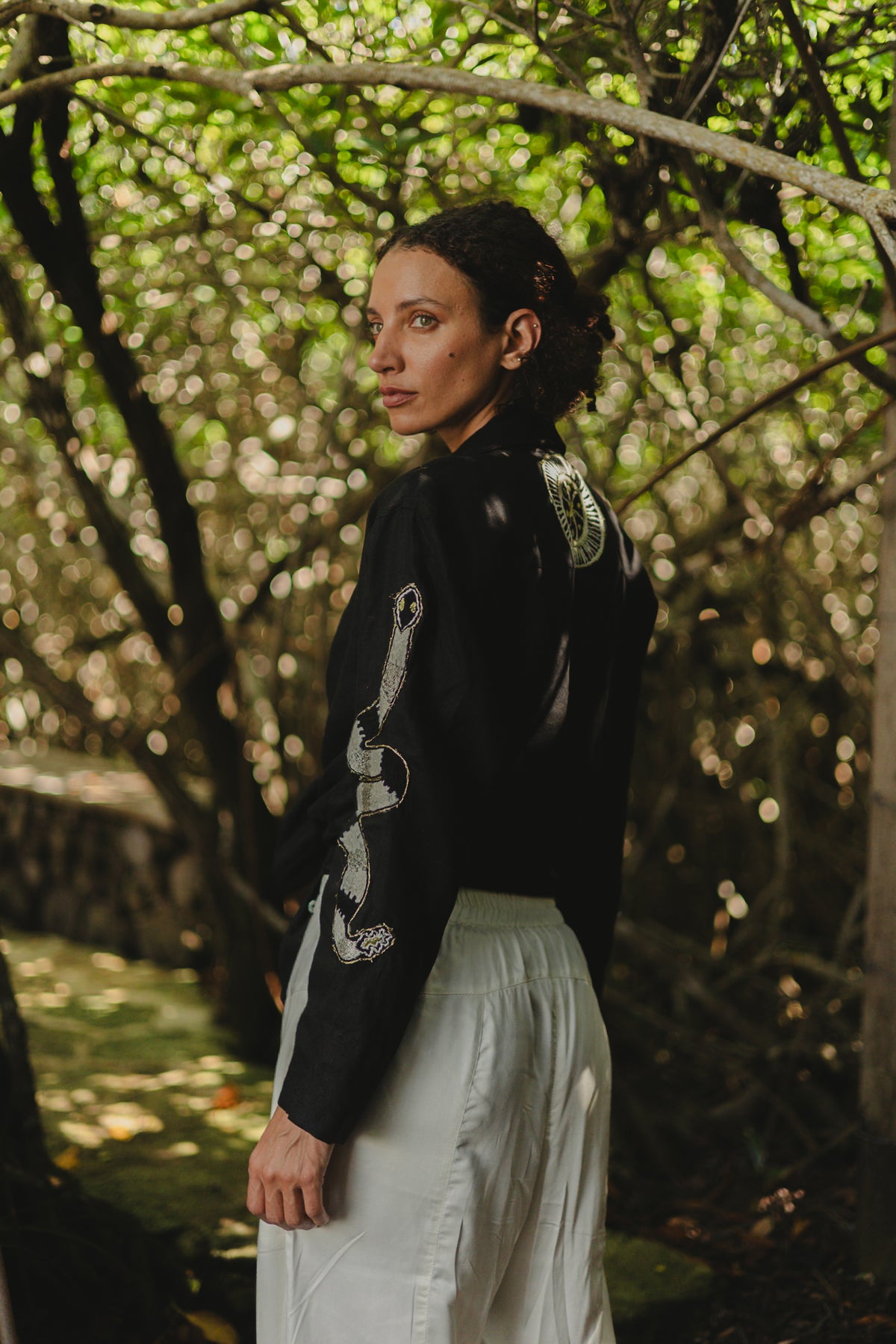
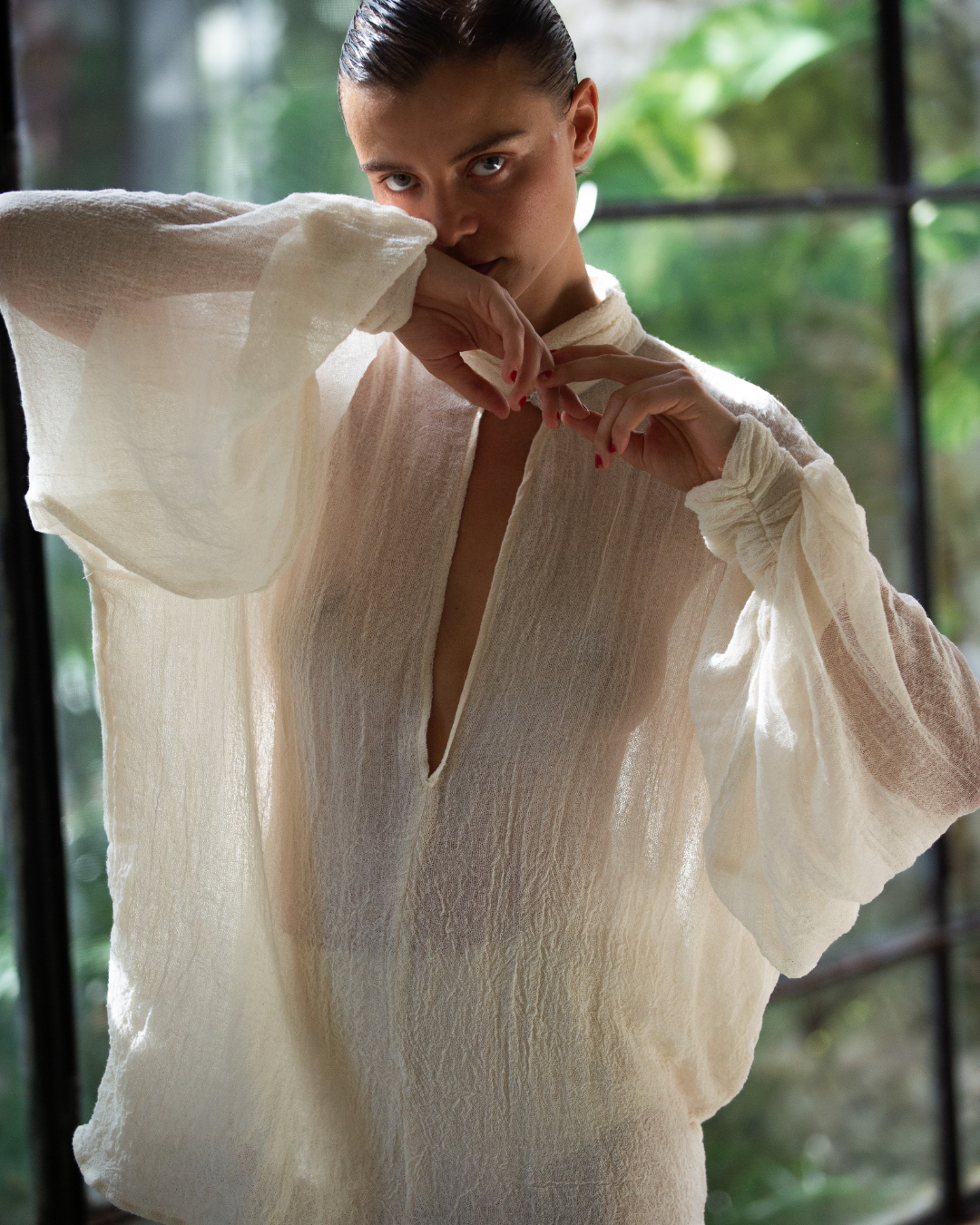
Wide trousers, flowing dresses and long kimonos still have architecture. Length, shoulder, waist and vertical line determine how the body sits inside the garment.
Volume can work with volume. One piece can be longer, smoother or quieter.
Pantalón Hermès can pair with a clean shirt or a long layer depending on the effect you want.
A fluid garment needs a foundation that responds to the body in motion. With wide trousers, waist, rise and hem matter; with dresses, the position of the hem and freedom around the arms matter too. Comfort should not be confused with selecting an arbitrary larger size. Intentional volume can be appealing, but if fabric needs constant rearrangement as someone walks, the choice deserves reconsideration. The active Hermès trousers provide a reference for assessing a generous silhouette, always checking the product's actual dimensions against clothes already worn comfortably.
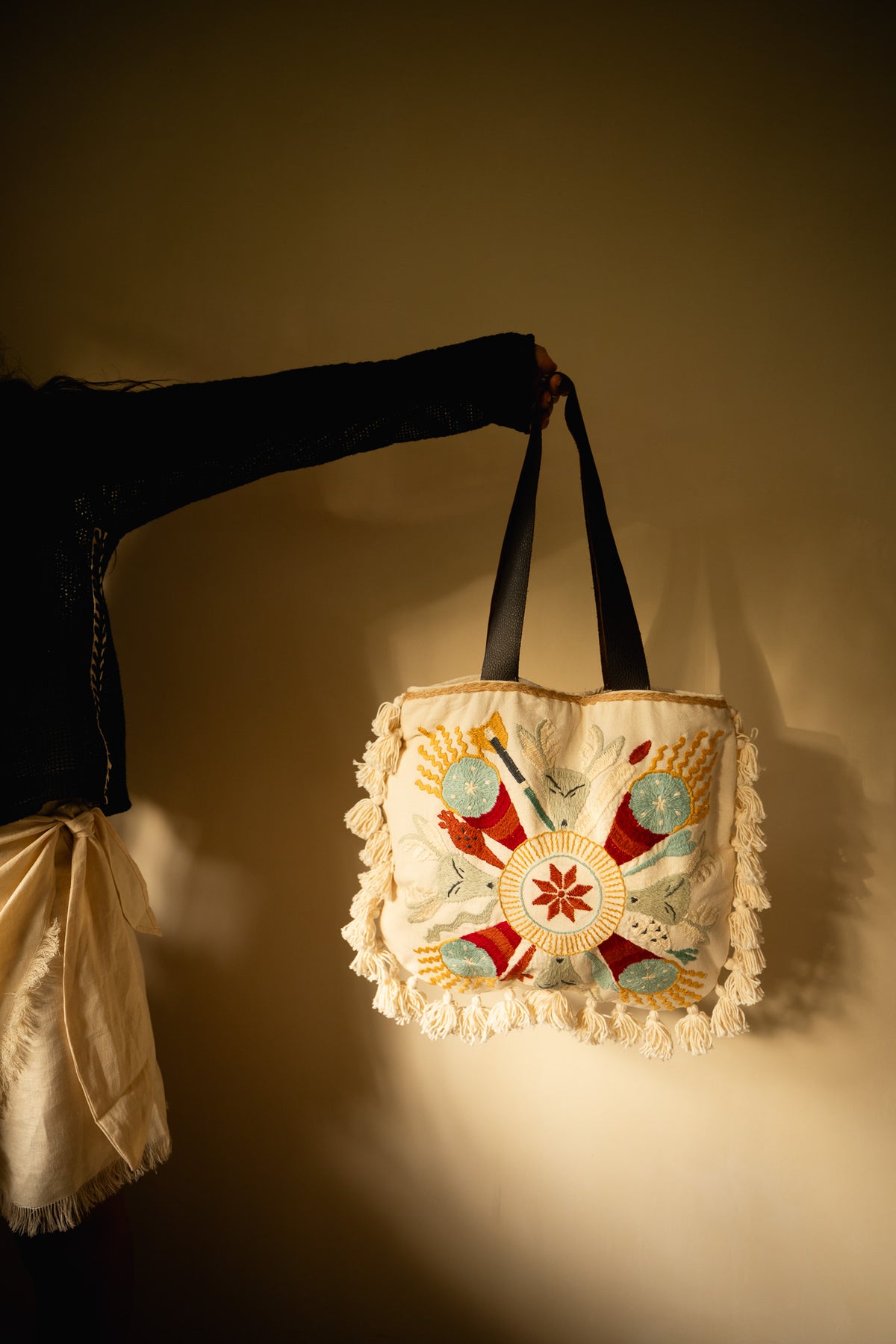
Precise footwear, a structured bag or a restrained palette can move a fluid silhouette into an urban context without removing movement.
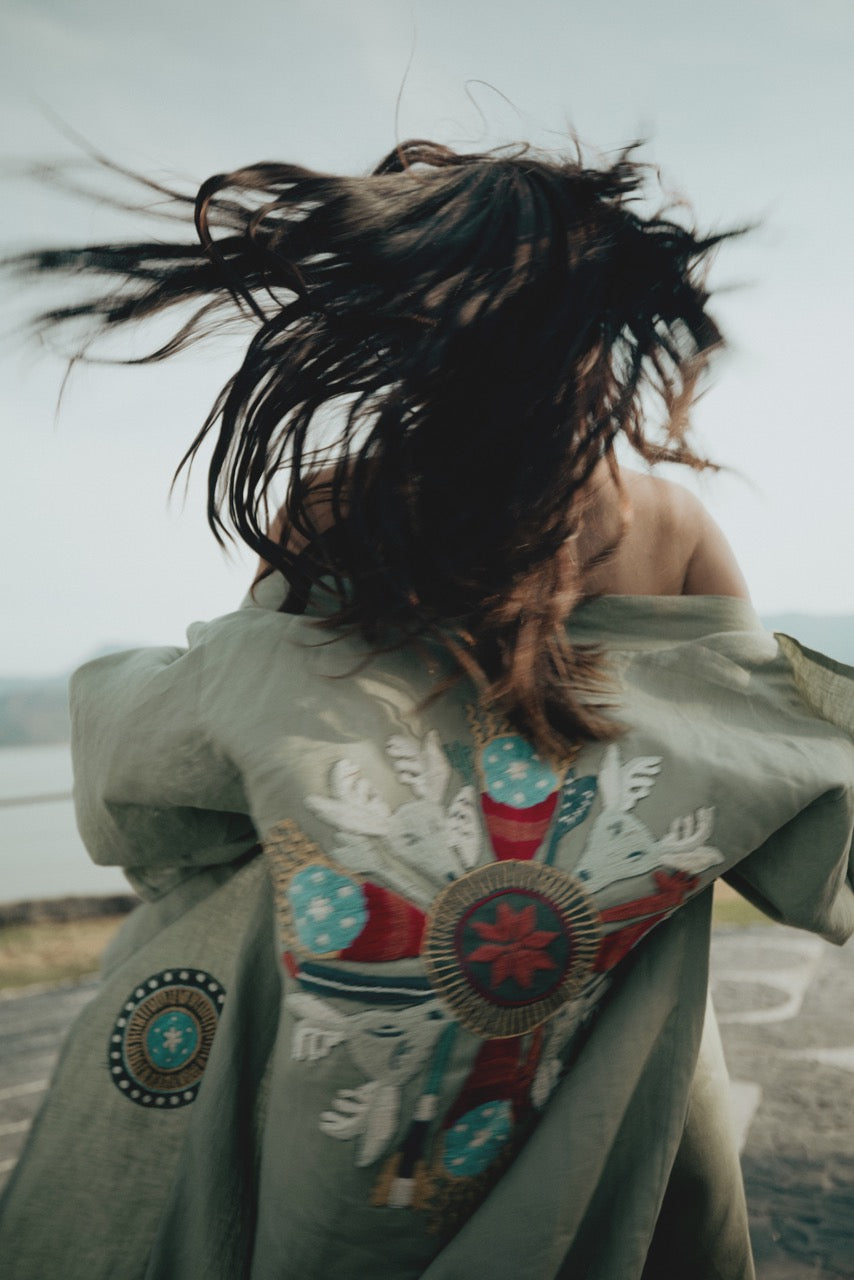
Kimono Tao can shift a simple base and does not need to wait for a trip.
Contrasts between garments do not require matching wide trousers with a narrow blouse. Two fluid elements may work together when their lengths and movements do not compete. Visual structure can come from the waist, footwear or an upper garment that retains a clear line. Try walking and sitting in the entire outfit rather than judging it only in a mirror. Relationships with the body should not be reduced to rules about which silhouettes flatter particular shapes. A useful choice begins with the person's actual preferences and measurements, not a generic styling prescription.
Vestido Sándalo can move between moments through footwear, layering or accessories.
Choose one precise point: controlled length, visible waist, a strong vertical line or a contrast in texture.
An open layer may introduce another texture or respond to a cool interior, but it is not always necessary. Complexity increases when every garment tries to become the focal point. If a dress already contains substantial volume and color, a quieter layer may complement it; when the kimono leads, the base can remain more restrained. The article on dressing for the city from a Mexican perspective offers an urban interpretation of these relationships. The goal is to recognize movement's value without adopting a uniform designed only for travel.
You do not need to replace structured garments all at once. Start with one category—a trouser, kimono or dress—and combine it with pieces you already wear.
Read Dressing the City Through a Mexican Point of View and How to Repeat an Artisanal Garment.
Fluidity becomes part of everyday life when it stops being an occasion and becomes a language.
Fluid clothing becomes more valuable when it is repeated. Trousers worn during an ordinary week can change through another shirt and pair of shoes, while a dress may accompany different moments when the dress code allows. Before purchasing, imagine several combinations with garments already owned. If a piece requires specialized accessories or another base not in the wardrobe, its usefulness may be difficult to justify. Continuity is established through wearing and caring for clothing, not an abstract promise of timelessness. Dressing fluidly means allowing garments to participate in real life.
Pantalón Hermès · Kimono Tao · Vestido Sándalo
What Makes a Garment Timeless? · From City to Resort
Not necessarily. Intentional volume still requires appropriate sizing and length.
Yes, when their proportions and movement are coherent.
No. Suitability depends on composition, construction and the setting.
A.03 / JOURNAL / SELECTION
Pieces that continue this story.
New editions, pieces, places, craft and ways of living.