01
What to Wear to Weekend Brunch Without Looking Overdressed
How to build a brunch look around one favorite piece, proportion, layering and enough ease to continue through the rest of the day.
Leer artículo
An artisanal piece can be worn many times without feeling the same when the base, proportion, layer and context change.
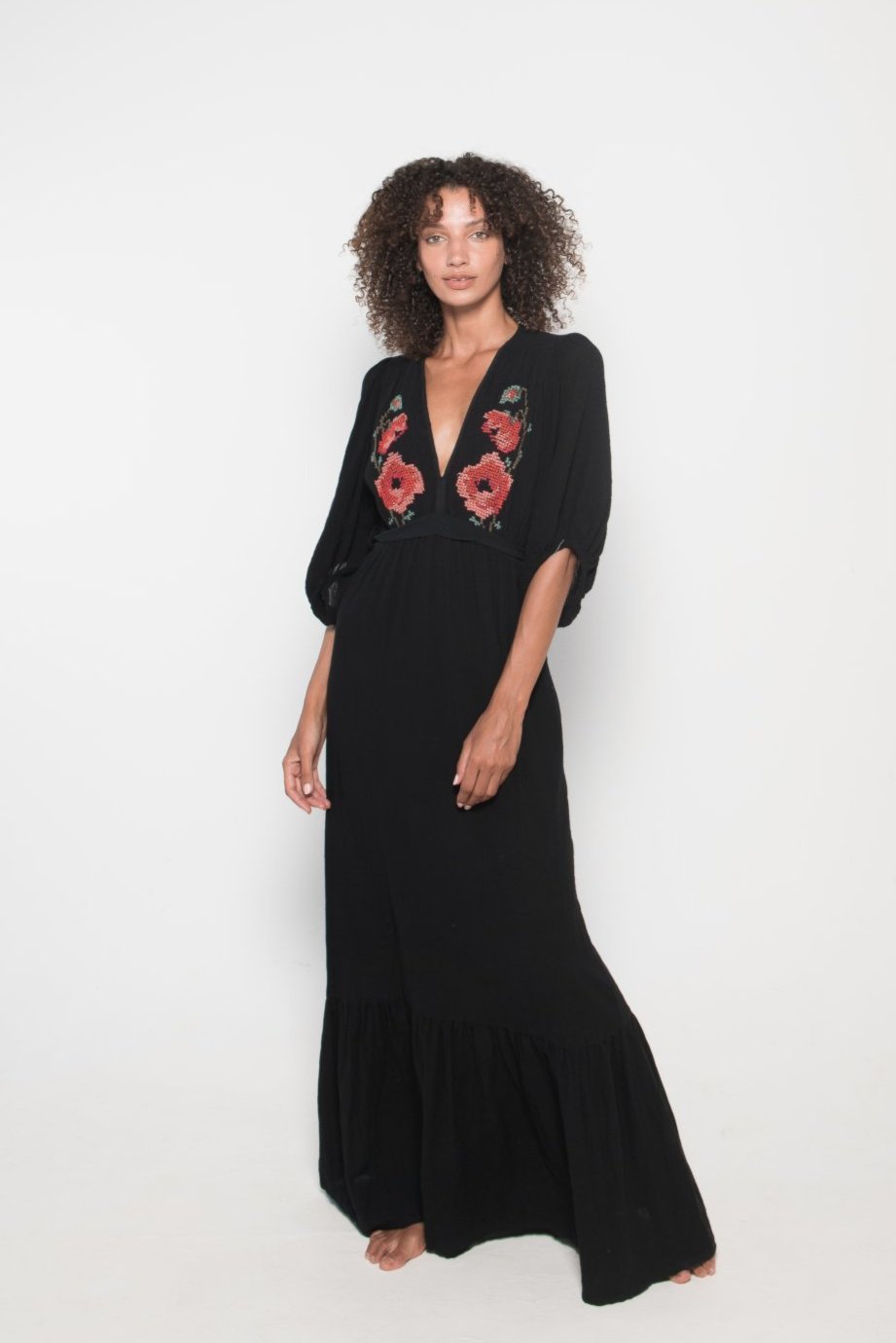
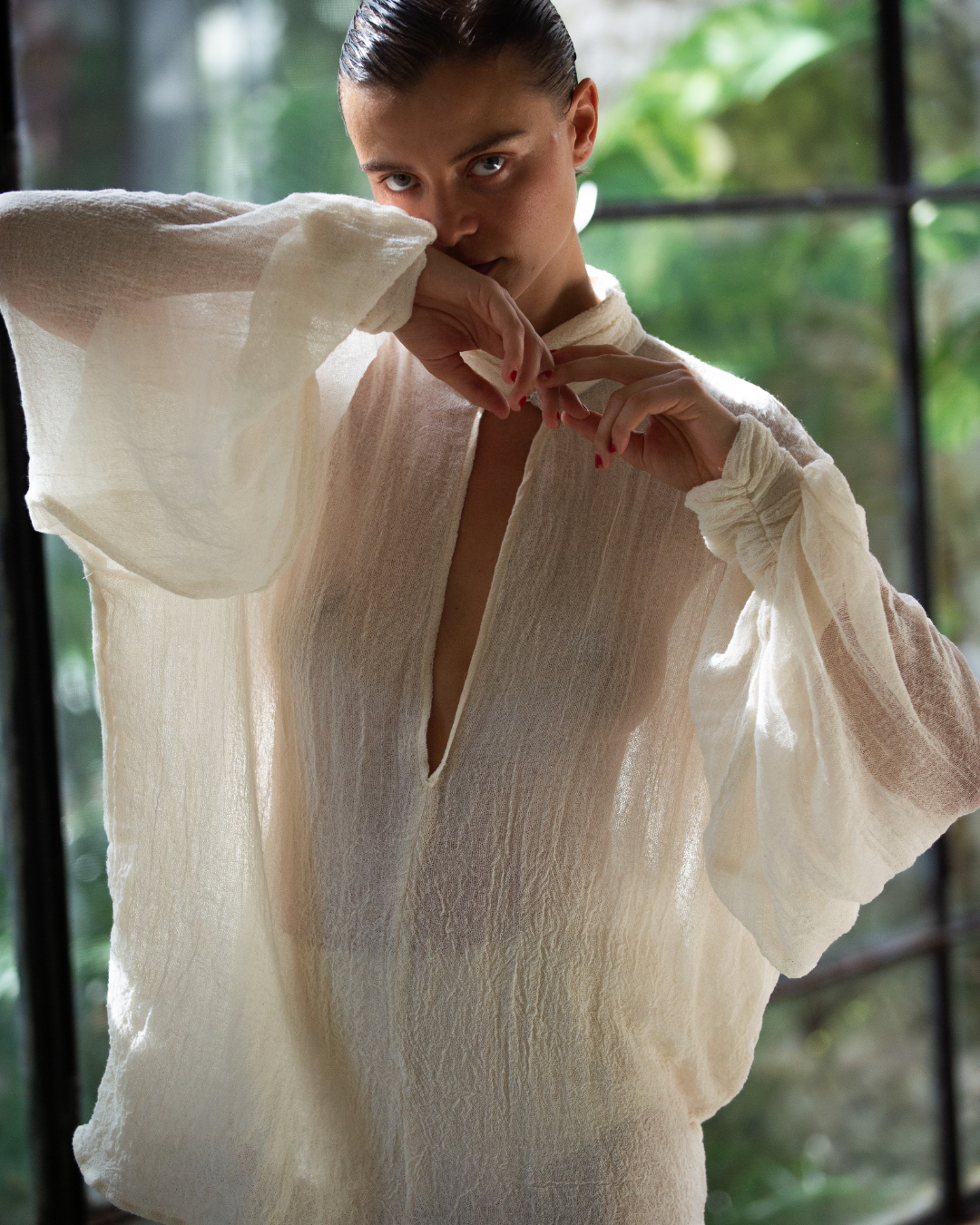
An artisanal garment deserves more than one appearance. If a piece carries texture, embroidery, weaving or a recognizable silhouette, repeating it does not reduce its impact. It reveals how many identities it can hold. The difference lies in not repeating the same base, proportion and context every time.
Repetition is a styling tool. It forces us to look more closely at the garment and separate what truly defines it from everything that can change around it.
A garment with recognizable embroidery or texture can be worn repeatedly without producing an identical outfit every time. Change does not necessarily require buying more clothes: a different base, shoes or way of wearing an open layer may be enough. The piece retains its identity while entering different situations. For that to happen, combinations must work while walking, sitting and participating in ordinary life, not only in a campaign image staged to show one silhouette.
When we repeat a statement piece, we often repeat the formula that worked the first time. That is when it starts to feel like “the same look.” The solution is not to hide the garment but to change the architecture around it.
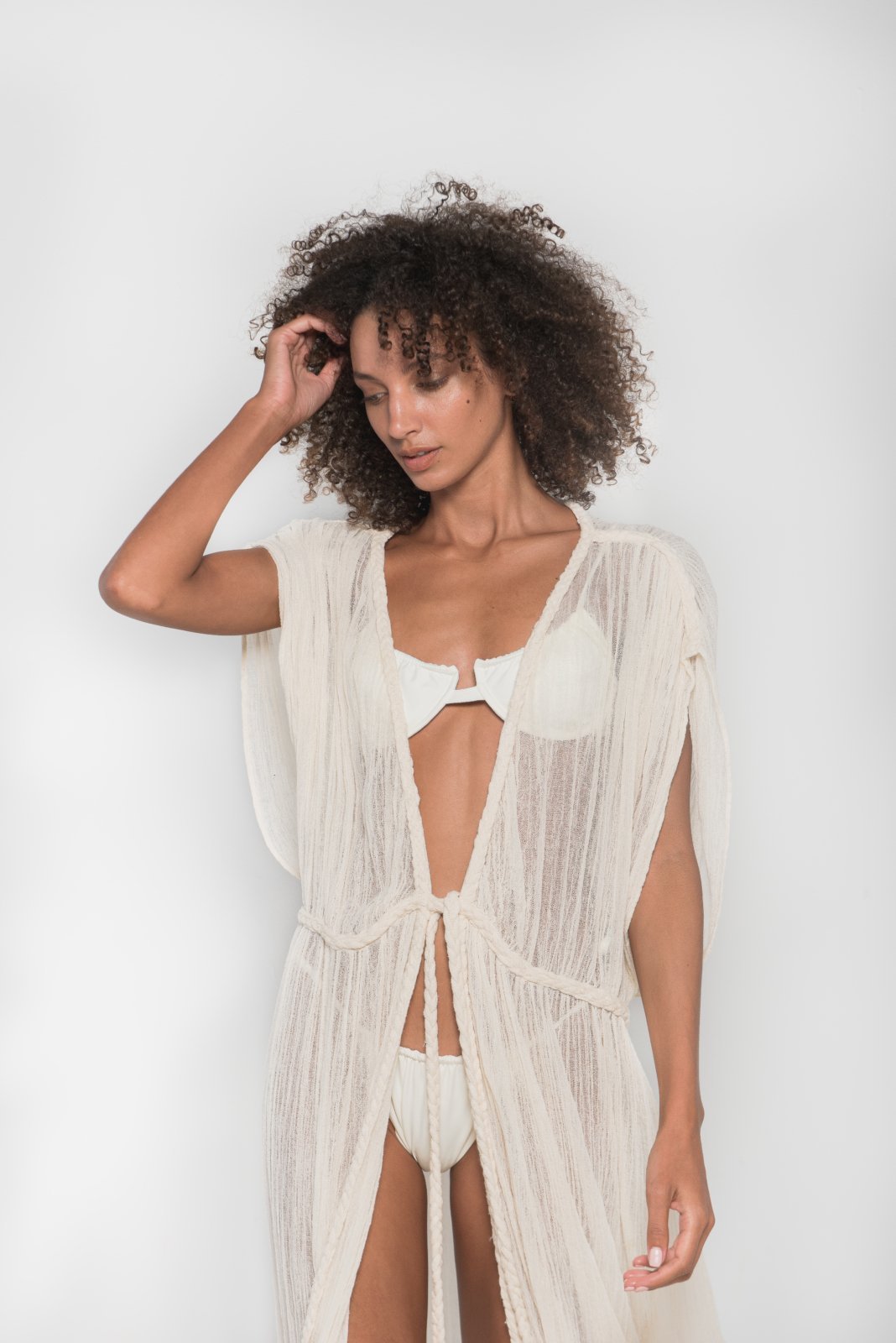
A ruana over wide trousers reads one way; the same ruana over a dress or shorter base changes proportion and movement. An open kimono feels different when it acts as an outer layer than when it becomes the center of a monochrome silhouette.
Move from trousers to a dress, from light to dark, or from a wide base to a more contained one. Each shift changes the relationship with the artisanal garment.
Ruana Cadena has enough textile presence to work over very different bases. Because its open construction leaves the garment underneath visible, every base change truly transforms the look.
A ruana can remain the central element of several combinations, but its relationship with the rest changes according to the garments underneath. The active Cadena ruana offers an example of a layer with its own identity without assuming its dimensions suit every foundation. A shirt and trousers create a different line from a dress. That difference may provide variety without removing the ruana's character. Both solutions must still allow movement and respect the particular item's care requirements. A useful garment remains useful after the carefully chosen camera angle is gone.
An open layer can sit closer to the body, fall completely free or shift visually through the way it wraps and overlaps. In a kimono, even the relationship between sleeve length and trouser length can change balance.
Changing the base alters where volume appears, which colors remain visible and how texture is distributed. Wide trousers may continue the line of an open layer, while another garment can move the focal point of the outfit. There is no obligation to place something fitted underneath every expressive piece. Test combinations with clothing already owned and observe them while sitting. The ability to repeat a garment becomes convincing when it belongs within an existing wardrobe rather than requiring a specialized new ensemble for each imagined occasion.
The same layer can feel resort-oriented with sandals, more urban with cleaner footwear, or more evening-focused with a sharper silhouette. The goal is not to make shoes the focus but to move the garment from one context to another.
The stronger the piece, the less competition it needs. If the first look used texture, accessories and layers, the next may work better with a quieter base and one dominant line.
This connects directly to What Makes a Garment Timeless?: a piece proves its value when it keeps finding a place in the wardrobe without depending on one combination.
Footwear changes the visual length of clothing and may influence its degree of formality, but does not replace venue expectations. An elegant dinner and an urban walk may demand different decisions even when they share a central piece. An open layer can also be arranged in another way when construction permits, without necessarily changing its size. The article on what makes a garment timeless connects these choices to continued use. Style gains depth when each adjustment has a purpose rather than making every look feel like an unrelated experiment.
Craft gains depth when it stops being something we admire from a distance and becomes something we use. An artisanal piece does not need to wait for an “important” occasion. It can live through dinner, travel, an ordinary day or another city.
A garment does not lose identity when it repeats. It gains identity when it learns to live in more than one context.
Repeating clothing also means caring for it. Embroidery may catch on accessories or require particular washing precautions, and the product's individual instructions should take priority over general guidance. Clothes that are difficult to maintain may be worn less often even when possible combinations look attractive. Before purchasing, imagine realistic frequency of use and the maintenance available. An artisanal garment need not be reserved for special occasions when its construction supports everyday life; value develops through a lasting relationship with the piece rather than an isolated event.
Ruana Cadena · Kimono Tao · Camisa Orgánica Jaguar
How to Wear Artisanal Clothing in the City · Made by Hand in Mexico
No. Foundations, proportions and context can change.
It may alter proportions and formality, subject to venue expectations.
A.03 / JOURNAL / SELECTION
Pieces that continue this story.
New editions, pieces, places, craft and ways of living.