01
What to Wear to Weekend Brunch Without Looking Overdressed
How to build a brunch look around one favorite piece, proportion, layering and enough ease to continue through the rest of the day.
Leer artículo

A guide to washing, drying and storing tulle, mesh and sheer fabrics with less friction, snagging and distortion.
Delicate sheer fabrics are often damaged less by dirt than by snagging, friction and excessive heat. Tulle, mesh and open structures require different handling because zippers, Velcro, jewelry and rough surfaces can catch the textile.
Tulle, mesh and sheer garments reveal the body and the layers beneath, but visual lightness does not necessarily indicate durability. The openness of a fabric, thread type, seams and applied details determine how a finished garment can be handled. Care begins long before washing: while dressing, sitting down and choosing accessories that will touch the surface. It is worth understanding which parts of the design need protection instead of automatically applying the same instructions to every transparent textile.
If the care label allows machine washing, a mesh laundry bag can reduce contact with other garments. If the construction is very delicate, hand washing may be the safer route. Physical abrasion and snagging are major textile risks. Check jewelry, nails, hardware and surrounding surfaces before handling a very open or sheer textile.
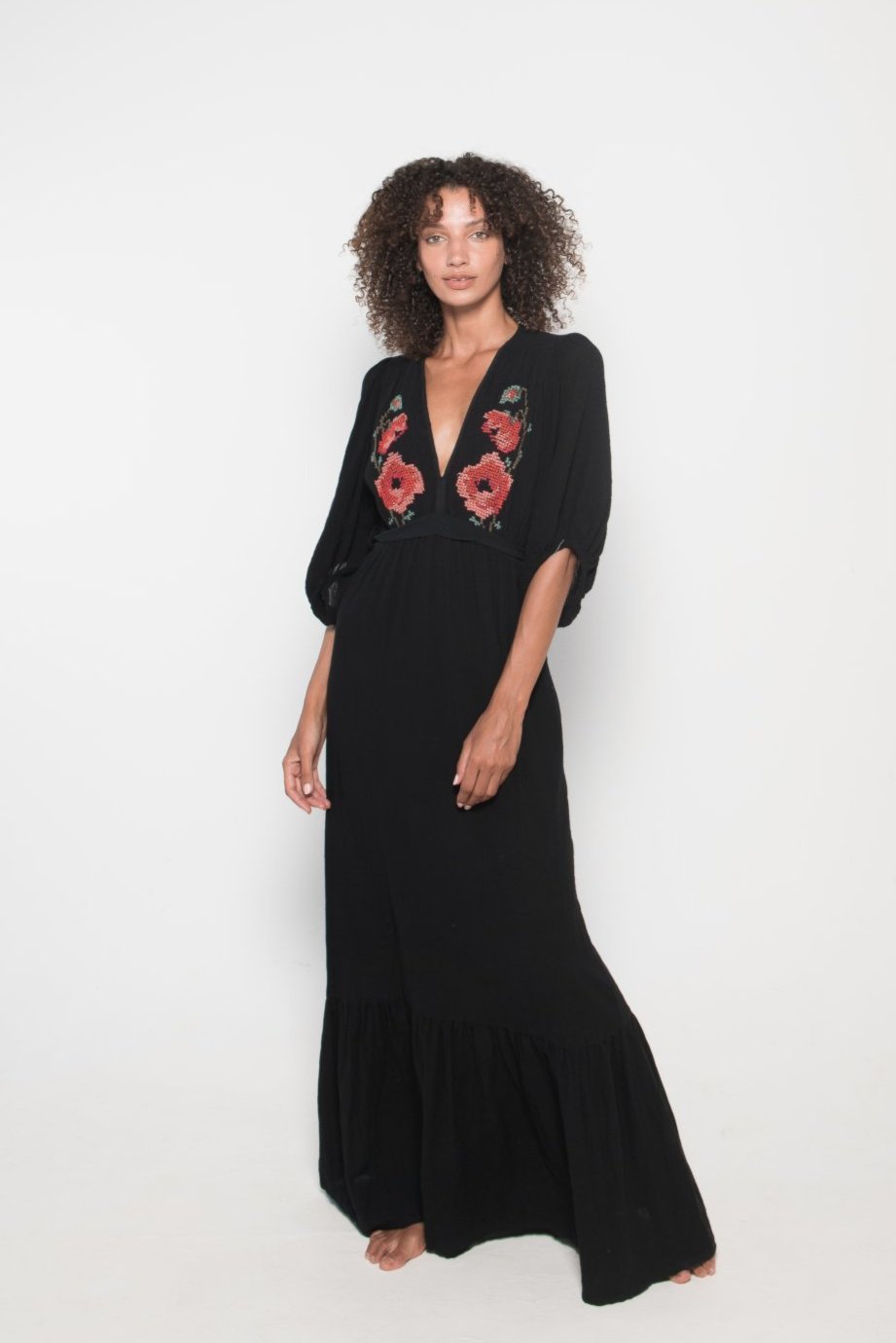
An open textile surface may catch on a zipper or a piece of jewelry without the wearer noticing immediately. Risk increases when a garment is stored beside rough materials or exposed hardware. The active Bruma piece provides a visual reference, but its specific construction and care should be checked through the product listing before attributing a fiber or procedure. Before incorporating a sheer item into ordinary wear, consider how it interacts with the bags, belts and base garments already part of the wardrobe.
Localized rubbing can distort the structure. Use light pressure and only cleaning methods permitted by the care label. Wet fabric becomes heavier. If the structure is open, hanging from one narrow point may stretch it. When allowed, flat drying distributes weight more evenly.
Repeated contact with rough surfaces may mark delicate mesh even when the garment is washed infrequently. During wear, a small snag deserves attention because stretching the area to correct it can widen the problem. Styling ideas and practical conditions should be considered separately. An interesting ensemble may be unsuitable when constant contact compromises the textile. The article on caring for delicate embroidery examines another situation where raised details and points of tension require additional care. The goal is to enjoy the garment without ignoring its physical limitations.
Many sheer synthetics and blends can react badly to excessive heat. If ironing is permitted, use the specified setting; if it is not, do not improvise. Steam should only be used when the garment instructions allow it. Keep tulle or mesh away from Velcro, exposed hardware and rough embellishments. A clean fabric bag can provide a physical barrier inside the wardrobe.
Individual care instructions determine whether home washing is allowed and under what conditions. Lightweight appearance does not establish suitability for a generic gentle cycle. Different fibers and finishing methods may change permitted treatment completely. Hanging a wet piece can create stress in some constructions, while others require specific forms of support. Always follow the instructions for the finished garment and avoid direct heat unless it is expressly permitted. A considered drying decision may help preserve both the sheer surface and the cut that gives the item its shape.
When possible, put on jewelry, watches and belts before the delicate garment, and reverse the process when undressing. Also avoid repeated abrasion from bag straps or rough seating.
When storing mesh or tulle, inspect nearby objects and keep the surface away from accessories likely to catch it. Whether the item should be folded or hung depends on design and should not be improvised from a photograph. If a snag appears, document the damage before attempting repair; cutting or pulling a thread may enlarge it. Caring for sheer clothing is compatible with frequent wear when the routine accounts for its particular structure. Preservation becomes more effective when the garment is understood as something to use, not merely something fragile to display.
For delicate sheers, the best care is reducing everything that can snag, stretch or melt the structure.
How to Wash Hand Embroidery · How to Care for Silk
Only if the label permits it; use a delicate process and physical protection.
Only at the temperature permitted by the care label.
Keep the garment away from zippers, Velcro, jewelry and rough surfaces.
Care note: the specific label always comes first.
A.03 / JOURNAL / SELECTION
Pieces that continue this story.
New editions, pieces, places, craft and ways of living.