01
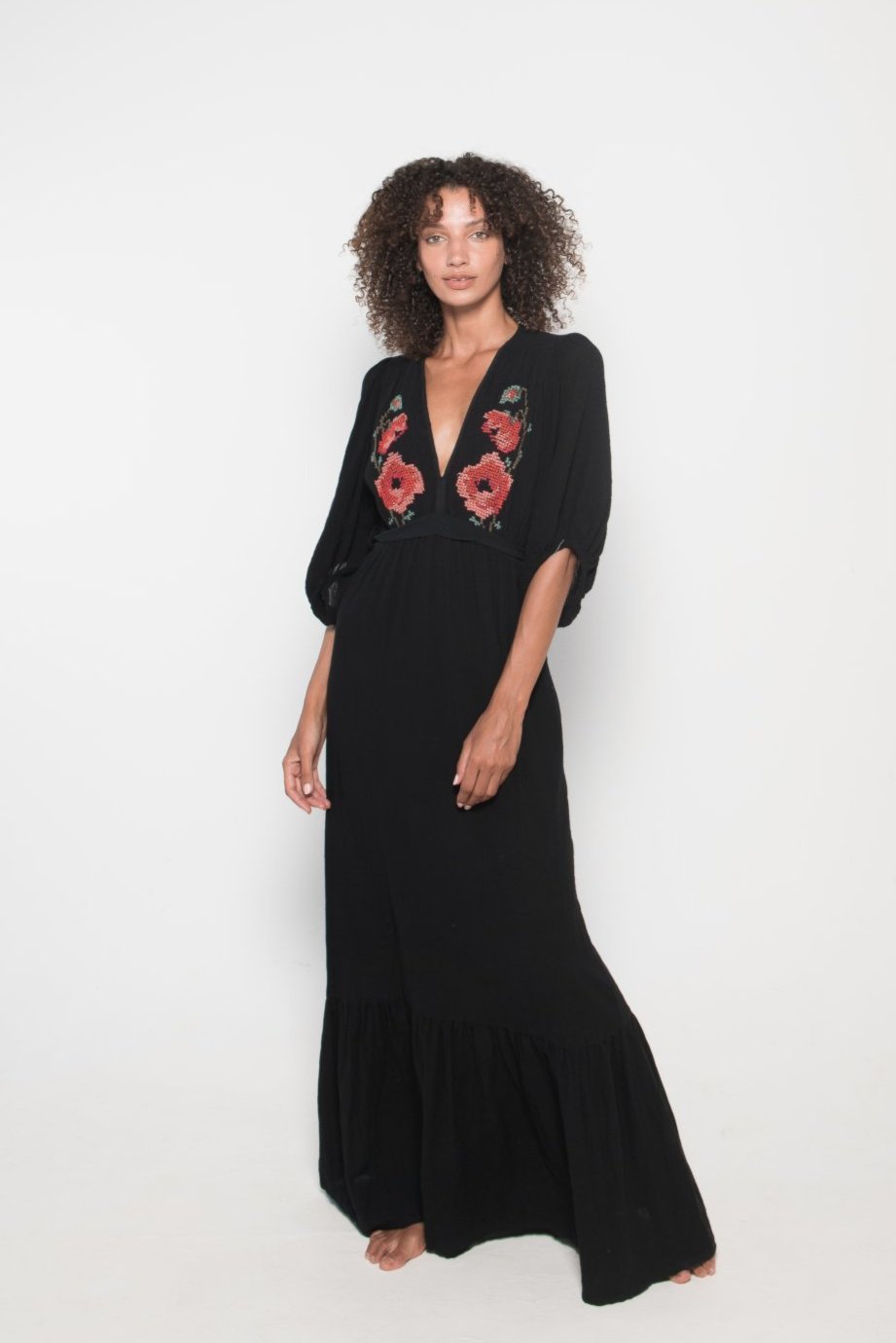
What to Wear to Weekend Brunch Without Looking Overdressed
How to build a brunch look around one favorite piece, proportion, layering and enough ease to continue through the rest of the day.
Leer artículo
A practical guide to understanding washing, bleaching, drying, ironing and professional-care symbols.
A care label is not a loose set of suggestions; it is the treatment map for the garment. Understanding the symbols prevents vague assumptions such as “all cotton goes in the machine” or “all delicate clothing should be hand washed.”
Care symbols can look like an unfamiliar code, but each family describes a different operation applied to a garment. The wash tub relates to washing; the triangle to bleaching; the square to drying; the iron to contact heat; and the circle to professional treatment. Variations within each symbol change conditions and restrictions. The aim is reading these markings as directions for the finished garment rather than general advice based solely on its fiber. A label matters because construction and finishing may require limits that photographs cannot reveal.
The tub symbol indicates whether the garment can be washed in water and the maximum permitted temperature. A hand in the tub means hand washing. A crossed-out tub means do not wash in water. GINETEX uses bars to indicate gentler processes. One line means mild treatment; two lines mean very mild treatment, usually with reduced mechanical action and spinning. The triangle contains bleaching instructions. A crossed-out triangle means do not bleach.
Before washing, identify all instructions rather than focusing only on the first mark. The wash tub may include a temperature indication or lines modifying the intensity of treatment. A hand inside it often indicates hand washing, while a prohibition mark changes the decision completely. Follow the label's current instructions rather than guessing at unfamiliar symbols. The guide to caring for cotton and color explains why two garments sharing a fiber may still require different treatment. Symbols refer to finished products, not simply samples of cloth.
The square communicates drying methods, including tumble drying and natural-drying variations such as line, flat or shade drying. Dots inside the iron indicate temperature limits. A crossed-out iron means do not iron.
The triangle concerns bleaching and must be interpreted separately from the wash symbol. Permission to wash does not mean permission to use every chemical treatment. Likewise, a maximum temperature shown in a tub is not an invitation to use that limit in every wash. Select a permitted process appropriate to the garment's needs, paying attention to embroidery, applied elements and strong colors. When directions are unclear or important information is missing, resolve uncertainty before attempting a treatment that could affect finishing. A familiar-looking icon cannot replace the complete sequence of directions.
The circle is primarily intended for professional cleaners and indicates compatible cleaning processes. If the label calls for professional care, do not treat that as an invitation for a home experiment. GINETEX explains that the stated temperature is the maximum treatment permitted. A milder treatment may be enough depending on soil level.
The square provides drying instructions, whose variations distinguish methods that are not interchangeable. The iron describes permitted conditions for contact heat. Approval for one kind of drying does not automatically permit pressing or steaming. It is also important to distinguish the treatment of the main fabric from its effect on seams and other components. For more detail, read how to dry delicate clothing. Preserving a silhouette requires understanding instructions together rather than choosing only the symbol that happens to be familiar.
A garment can combine fiber, embroidery, lining, finish and color. Care applies to the complete object. Read the full sequence before washing. A garment may allow water washing but prohibit tumble drying; another may allow moderate ironing but require professional care for cleaning. Taking a photo of the label can also be useful if it becomes hard to read later.
The circle concerns professional cleaning procedures and may include restrictions that require specialist interpretation. A home alternative should not be improvised when a label calls for specific treatment. If a printed symbol becomes illegible, photograph the remaining label and consult reliable technical guidance or the manufacturer. Reading the complete set helps establish what must not be done, which is as important as identifying permitted operations. Better care begins with understanding the object's limits before introducing water, detergent, pressure or heat.
Reading the care label is the difference between caring for a fiber and caring for the actual garment.
Women · Unisex · Home Décor
Continue with the related guide
How to Dry Delicate Clothing · Iron or Steam
No; it represents the maximum permitted temperature.
Do not wash the garment in water.
It gives instructions for professional textile care.
Care note: when in doubt, use the gentlest treatment permitted by the label.
A.03 / JOURNAL / SELECTION
Pieces that continue this story.
New editions, pieces, places, craft and ways of living.