01
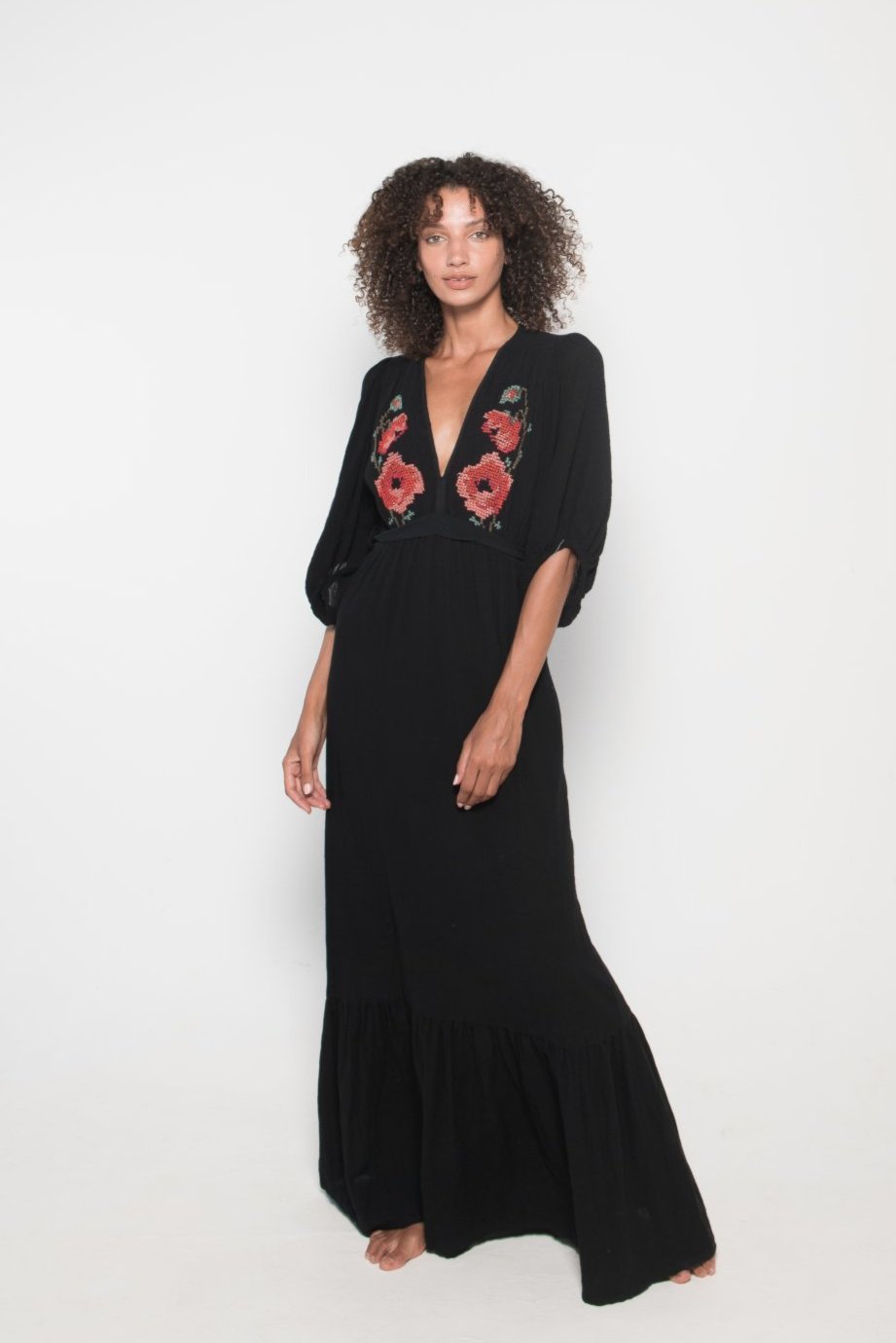
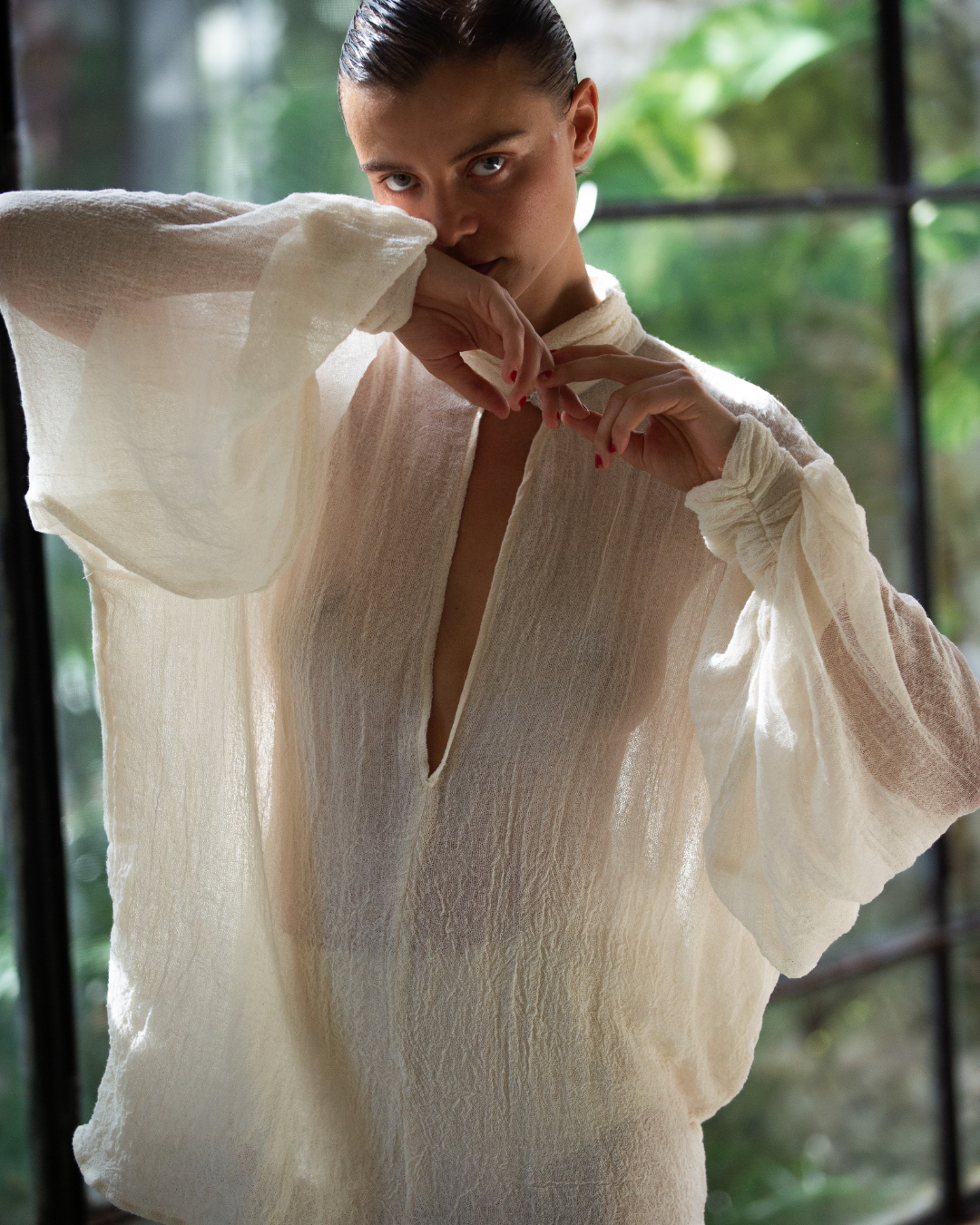
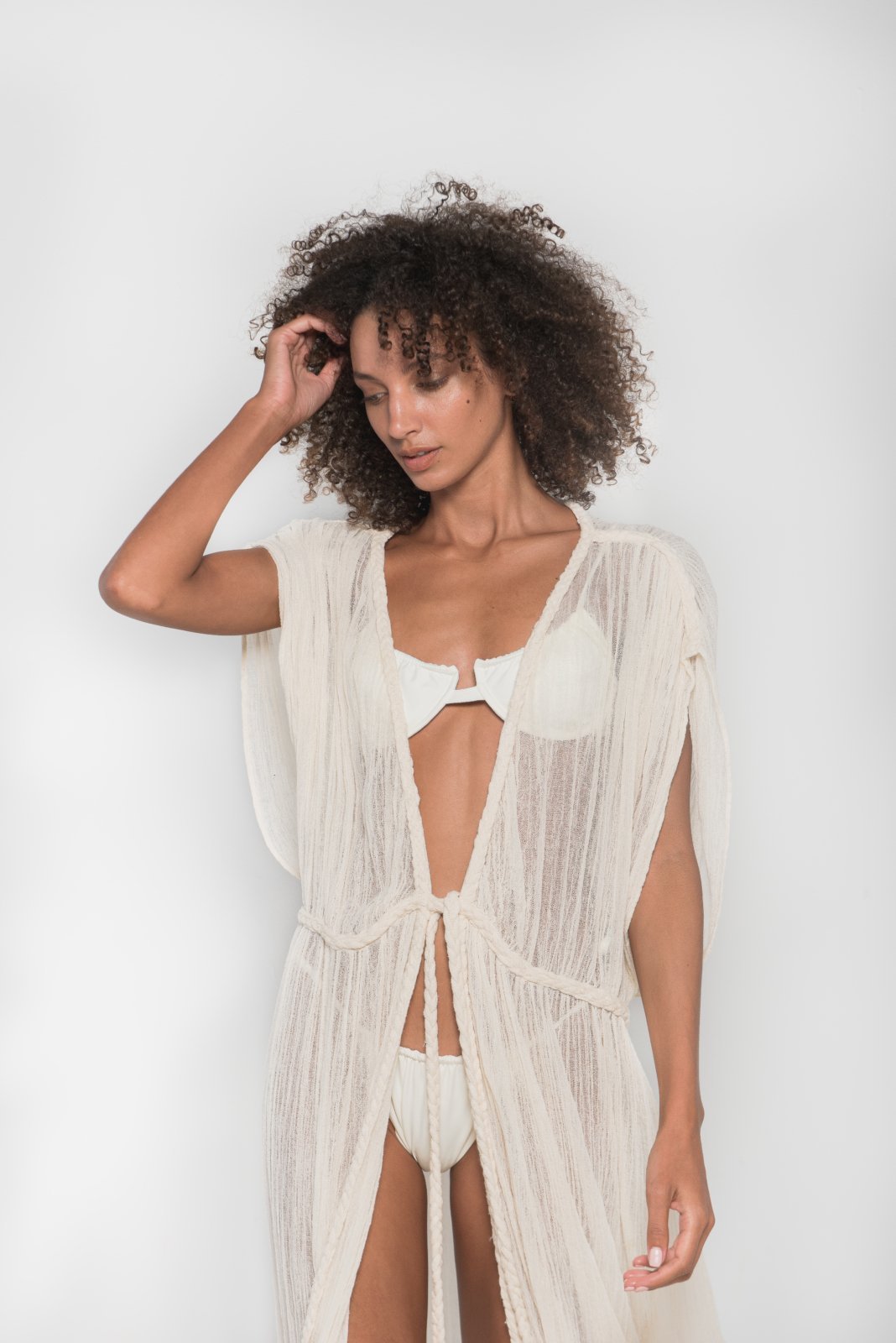
What to Wear to Weekend Brunch Without Looking Overdressed
How to build a brunch look around one favorite piece, proportion, layering and enough ease to continue through the rest of the day.
Leer artículo
Choose a housewarming gift without imposing a decorating style: proportion, textiles, color, texture, everyday use and pieces that can move as a new home evolves.
A newly occupied home is still making decisions. Walls may be bare, furniture arrives at different times and what seems permanent now may change once the rooms are actually lived in. Giving decoration at that moment presents a particular challenge: adding something personal without imposing an aesthetic the residents have not yet chosen. A thoughtful gift should accommodate that uncertainty and be flexible enough to move as the house changes.
The usual mistake is trying to guess an entire interior from a photograph, a conversation or a color palette. A gift does not have to complete a room. It can introduce texture, a manageable scale or a material detail that finds its place over time. Before choosing a cushion, textile or object, consider how much space it asks for, what purpose it serves and how many new decisions the recipient will need to make around it.
A very large object demands an immediate location and may dominate a room that is still evolving. Something more manageable can be tried on a sofa, bed or armchair and moved as the home takes shape. That is one reason smaller textiles often offer a flexibility that bulky furniture and decorative objects cannot. They are not necessarily less personal; they simply allow residents to keep building their surroundings.
Before buying a cushion, check its actual dimensions and whether it comes with an insert or as a cover only. Something that looks discreet in a product photograph can feel oversized on a narrow seat. The Palma cushion is a useful example of an object that should be assessed against the furniture's proportions rather than on its own. The relationship between a seat and a cushion matters as much as the pattern.
Quantity deserves consideration too. Giving three matching cushions may impose a strong visual composition that requires the rest of the room to change; one can act as a flexible starting point. Balance develops from scale and the possibility of placing texture elsewhere, not from the assumption that a new home automatically requires a complete coordinated set.
If you have seen the interior, start by identifying the families of tones already present. There may be warm whites, dark wood, concrete, color from art or textiles in varying intensities. You do not need an exact color match: a controlled difference may lend more depth than literal repetition. The useful question is whether your object will act as a background element, a contrast or an accent.
When you know little about the recipient's taste, texture can introduce interest without forcing a new palette. A woven surface, embroidery or a change in weave can become visible through light and touch. Adding texture within familiar colors is different from introducing an unfamiliar shape, scale and color all at once. That distinction can make a gift more adaptable.
Everyday context also determines whether texture makes sense. An object intended primarily for display may not be suitable for a heavily used sofa, while a textile that tolerates daily routines can have a more flexible role. Do not presume a handcrafted object is necessarily fragile, or that every decorative textile requires the same maintenance. Actual product care instructions should guide the choice.
A gift described as 'for a bohemian home,' 'for a minimalist home' or 'for a Mexican home' can reduce a personal space to a commercial label. Actual interiors tend to mix things: an inherited table alongside a new lamp, a travel object beside a wall without artwork. A piece works better when it joins that mix without requiring everything else to follow one aesthetic.
Think about whether the gift can move. Could it live in another room? Would it work on a bed if it does not suit the sofa? Could it remain relevant if the curtains or upholstery change? These questions help you choose without taking over the resident's decisions. A new home is a continuing process, and its interior will keep evolving after the move itself is finished.
For a closer look at how textile objects add depth without overwhelming a room, read using artisanal textiles to build depth. Our article on mixing cushions with different textures also shows how individual objects relate to a larger composition rather than defining the entire room.
Before choosing, ask what the recipient will do with the object after the initial excitement passes. It might support someone reading, bring tactility to a bed or lend a quiet accent to a corner. Its usefulness comes from being part of everyday life. Something that demands a perfectly arranged room to look good risks turning into an obligation rather than a gift.
Compare the Origen cushion and the Impronta cushion, two active products with different visual characters. Always confirm current measurements and product details. If you want a broader shopping selection, explore gifts for a new home, a commercial destination separate from the editorial questions explored here.
The most thoughtful housewarming gift does not try to complete or define a home. It introduces a material, scale or gesture that residents can interpret and reposition. That freedom can allow it to remain relevant for longer: today it may sit beside a sofa, and a few months from now it may belong to a very different arrangement.
Palma cushion · Origen cushion · Impronta cushion
Explore the edit: gifts for a new home
How to Use Artisanal Textiles to Add Depth to a Room · How to Mix Artisanal Cushions Without Overloading a Room
Not necessarily. Check furniture size, textile dimensions and care.
Dominant objects that require redecoration. Favor pieces with flexible placement.
A.03 / JOURNAL / SELECTION
Pieces that continue this story.
New editions, pieces, places, craft and ways of living.